 da
 en


- Frontpage >
- Plant Encyclopedia >
- Alder
Alder
- Latin name: Alnus
- Type: Tree
- Light conditions: Full sun, partial shade
- Soil conditions: Ordinary, moist and well-drained, adaptable
- Other: -
Recommended Products

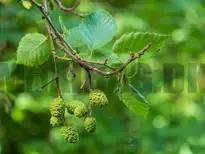
The alder is a distinctive deciduous tree found in Denmark's wetlands and along streams. Its beautiful toothed leaves and hanging, birch-like catkins make it an attractive choice for both natural and designed landscapes. It can provide both shade and wind protection in gardens and shelterbelts, and it is also decorative in gardens and parks because of its distinctive appearance.
The alder thrives in moist, well-drained soils, preferably near streams or lakes. It is adaptable and can also cope with more clayey soils. A slightly acidic to neutral pH value is ideal for optimal growth.
The alder can grow in both full sun and light shade. It is known for its ability to tolerate wet conditions and can therefore be well suited to areas where the soil tends to be moist. However, it thrives best in areas with moderate sunlight.
Some widespread alder species in Denmark:
- Common alder (Alnus glutinosa): The most common species in Denmark, known for its distinctive rough bark. Its ability to thrive in moist areas and act as effective wind protection makes it popular in many landscapes.
- Italian alder (Alnus cordata): Italian alder is known for its beautiful heart-shaped leaves and upright growth habit. This alder has a slender and elegant appearance and thrives in moist areas. The leaves are dark green with fine teeth along the edge.
- Grey alder (Alnus incana), also called white alder: Grey alder, also known as white alder, is characterised by its greyish branches and more slender growth habit. It has lighter bark than common alder, and the leaves have a silvery underside. Grey alder thrives in moist areas and is a beautiful feature in landscapes.
- Green alder (Alnus viridis): Green alder is a less common alder and is known for its oval, toothed leaves and more compact growth habit. This species has a beautiful green colour, and its small size makes it suitable for smaller gardens or landscapes. Green alder thrives in moist areas and contributes to biodiversity.
This guide is for guidance only. Landscaping and gardening is not an exact science, and a successful result can be affected by many variables, including (but not limited to): soil conditions, location, watering, temperatures, weather, application of fertiliser and mulch, and much more.