 da
 en


- Frontpage >
- Plant Encyclopedia >
- Apple (fruit tree)
Apple (fruit tree)
- Latin name: Malus
- Type: Fruit tree
- Light conditions: Full sun
- Soil conditions: Ordinary, well-drained, nutrient-rich
- Other: More than 300 varieties are grown in Denmark
Recommended Products

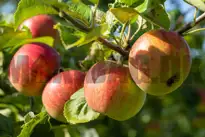
The apple tree, represented by the genus Malus, is a valuable fruit plant that adorns Danish gardens with its lush foliage and tasty fruit. In addition to its practical use as a source of fruit, the apple tree is also valued for its beautiful spring flowers and versatile varieties.
Apple trees thrive best in well-drained, nutrient-rich soil. They prefer a slightly acidic to neutral pH value and can adapt to different soil types. Adding compost or well-rotted manure when planting helps improve the soil's structure and provides the necessary nutrients. Good drainage is essential to avoid root rot, and the apple tree enjoys soil that retains moisture.
Apple trees thrive in full sun, which means at least six hours of direct sunlight a day. A sunny position promotes healthy growth, abundant flowering and optimal fruit development. Although apple trees can tolerate light shade, they will produce less fruit in shady areas. The planting site should therefore be chosen carefully to maximise exposure to sunlight.
List of common apple varieties* in Denmark:
Aroma, Discovery, Filippa, Ingrid Marie, Elstar, Holsteiner Cox, Rød Aroma, Guldborg, Belle de Boskoop, Gråsten, James Grieve, Rød Melba, Prinsesse Astrid, Rød Pigeon, Säfstaholm, Santana, Alkmene, Pigeon, Signe Tillish, Rubinola, Rød Rubin, Summerred, Åkander, Collina, Holsteiner Rambour, Cox's Orange, Belle de Boskoop, Ananasrennet, Grahams Jubilæumsæble, Ingrid Marie, Katrine, Lombarts Calville, Prinsesse Astrid, Rosenbrød, Sommerprinsesse, Red Devil, James Grieve, Filippa, Jonagold, Gråsten, Discovery, Pilgrim, Guldborg, Purpurprins, Pomoidea, Aroma, Santana, Rubens, Gul Ingrid Marie, Santana
This guide is for guidance only. Landscaping and gardening is not an exact science, and a successful result can be affected by many variables, including (but not limited to): soil conditions, location, watering, temperatures, weather, application of fertiliser and mulch, and much more.