 da
 en


- Frontpage >
- Plant Encyclopedia >
- Baby's Breath
Baby's Breath
- Latin name: Gypsophila paniculata
- Type: Perennial
- Light conditions: Full sun
- Soil conditions: Ordinary, well-drained, sandy
- Other: Decorative in bouquets, can be dried
Recommended Products

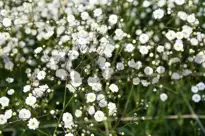
Baby's breath is a delicate and graceful plant that adds elegance to gardens and flower beds. With its clouds of small white flowers, baby's breath is a popular addition to wedding bouquets and decorative arrangements.
Baby's breath thrives best in good-quality, well-drained, light soil. It prefers a neutral to slightly alkaline pH value. The soil structure is important, as the roots of baby's breath are sensitive to waterlogging. Adding sand or compost when planting can improve drainage and ensure healthy growth. As baby's breath is often grown as an annual, it can also thrive in pots or containers filled with a well-drained potting mix.
Baby's breath thrives in full sun. It needs at least six hours of direct sunlight a day for optimal flowering. The position of baby's breath should therefore be sunny, preferably in an area with good drainage and not too shady. In areas with a very hot climate, baby's breath can also benefit from a little afternoon shade to protect it from strong sunlight.
Baby's breath is loved for its lightness and finesse, and it can be used as a beautiful backdrop in flower arrangements or as a charming feature in the garden. With suitable soil conditions and enough sun, baby's breath will thrive and add a romantic touch to outdoor spaces.
List of some species of baby's breath in Danish gardens:
- Gypsophila paniculata (Baby's breath): The most common species, known for its airy, lush flower clusters of small white flowers. Often used as an ornamental plant in gardens and bouquets.
- Gypsophila repens (Creeping baby's breath): A lower species with creeping growth, suitable for ground cover and garden edges.
- Gypsophila elegans (Annual baby's breath): An annual species that produces small, single flowers in shades of white, pink or purple. Common in summer flower beds and pots.
This guide is for guidance only. Landscaping and gardening is not an exact science, and a successful result can be affected by many variables, including (but not limited to): soil conditions, location, watering, temperatures, weather, application of fertiliser and mulch, and much more.