 da
 en


- Frontpage >
- Plant Encyclopedia >
- Beech
Beech
- Latin name: Fagus sylvatica
- Type: Tree
- Light conditions: Partial shade, sun
- Soil conditions: Ordinary, well-drained (adaptable)
- Other: See also Beech hedge
Recommended Products

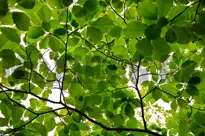
The beech is an impressive deciduous tree species that is widespread in Denmark and many other European countries. This majestic tree is known for its distinctive smooth bark and striking foliage, which changes colour with the seasons.
The beech thrives best in temperate climates and prefers well-drained soil. However, it is extremely versatile and can grow in a wide range of soil conditions. Ideally, the beech prefers fertile, moist soil, but it can also thrive in drier areas, as long as the soil is well-drained. It is known to survive well in both acidic and calcareous soil.
When it comes to light conditions, the beech is moderately shade-tolerant and thrives best in areas with partial shade to full sun. It can grow under a dense canopy, which makes it suitable for woodland environments. However, it can also thrive in more open areas, as long as it has access to enough sunlight.
In Denmark, the beech is one of the most common tree species and is found throughout the country. In addition to the traditional beech, the most widespread types also include the copper beech (Fagus sylvatica 'Purpurea'). The copper beech is known for its deep red leaves, which add a beautiful contrast to the surrounding green foliage in the woods. It also thrives in similar soil and light conditions to the common beech.
Overall, the beech is a valuable and versatile tree species that contributes to Denmark's natural beauty and biodiversity. With its ability to adapt to different environments and its distinctive appearance, the beech remains an important part of the Danish landscape.
See a list of beech varieties below:
- Common beech (Fagus sylvatica): The traditional and most widespread species, found throughout the country.
- Copper beech (Fagus sylvatica 'Purpurea'): Known for its deep red leaves, which add a decorative contrast to the surrounding green foliage.
- Fern-leaved beech (Fagus sylvatica 'Asplenifolia'): This variety has feathery, deeply cut leaves that give it an elegant appearance.
- Round-leaved beech (Fagus sylvatica 'Rotundifolia'): Characterised by its round, smooth leaves.
- Contorted beech (Fagus sylvatica 'Tortuosa'): This variety has uniquely twisted branches and thick, leathery leaves.
- Golden beech (Fagus sylvatica 'Zlatia'): A dwarf variety with golden or yellow leaves.
- Cut-leaved beech (Fagus sylvatica 'Laciniata'): Characterised by deeply cut leaves that give the tree a decorative appearance.
- Dawyck beech (Fagus sylvatica 'Dawyckensis'): This variety has a slender, pyramid-shaped growth habit.
- Yellow beech (Fagus sylvatica 'Aurea'): Characterised by its yellow or golden leaves, which add colour to the landscape.
- Purple Fountain beech (Fagus sylvatica 'Purple Fountain'): A dwarf variety with a graceful, weeping growth habit and deep purple-red leaves.
These beech varieties offer a wide range of colours, shapes and textures, which makes them suitable for various landscape designs and gardens. It is important to choose a variety that suits your specific needs and the local growing conditions.
This guide is for guidance only. Landscaping and gardening is not an exact science, and a successful result can be affected by many variables, including (but not limited to): soil conditions, location, watering, temperatures, weather, application of fertiliser and mulch, and much more.