 da
 en


- Frontpage >
- Plant Encyclopedia >
- Bergenia
Bergenia
- Latin name: Bergenia
- Type: Perennial
- Light conditions: Partial shade, shade, sun
- Soil conditions: Ordinary, well-drained (tolerates different soil types)
- Other: Robust and easy to care for
Recommended Products
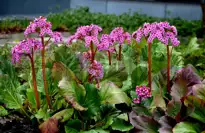
Bergenia is a popular and robust perennial that adorns Danish gardens with its large, leathery leaves and colourful flower clusters.
Bergenia prefers well-drained, moist soil with a slightly acidic to neutral pH value. It tolerates different soil types, but thrives best in a rich, organic soil. Adding compost or well-rotted manure can improve the soil's structure and nutrient content.
These plants thrive in both sun and light shade. However, a position with partial shade is often ideal to prevent the soil from drying out. Bergenia can also do well in shadier areas, but flowering may be more limited.
Bergenias are not only hardy and easy to care for – they also add colour and structure to the garden, which makes them a valued plant among Danish gardening enthusiasts.
5 common types in Danish gardens:
- Heart-leaved bergenia (Bergenia cordifolia): The most widespread species, with large green leaves and pink flower clusters in spring.
- Leather bergenia (Bergenia crassifolia): Known for its evergreen leaves and pink flowers, which contrast with the snow.
- Bergenia 'Baby Doll': A compact variety with pink flowers and low growth, ideal for small gardens or as an edging plant.
- Bergenia pacifica: A species with large leaves and pink to purple flowers that attracts bees and butterflies.
- Bergenia 'Silberlicht': A variety with white flowers that turn pink with age, adding an elegant touch to the garden.
This guide is for guidance only. Landscaping and gardening is not an exact science, and a successful result can be affected by many variables, including (but not limited to): soil conditions, location, watering, temperatures, weather, application of fertiliser and mulch, and much more.