 da
 en


- Frontpage >
- Plant Encyclopedia >
- Blackcurrant
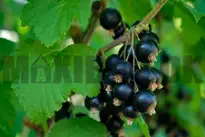
Blackcurrant
- Latin name: Ribes nigrum
- Type: Berry bush
- Light conditions: Sun, partial shade
- Soil conditions: Ordinary, well-drained
- Other: Blackcurrants can be used for juice, jam, liqueur and schnapps, among other things. The berries are rich in vitamin C, anthocyanins and flavonoids, all of which act as antioxidants in the body
Recommended Products

Blackcurrant is a popular and tasty berry bush that thrives in Danish gardens and is harvested for its juicy, dark berries. In addition to their culinary value, blackcurrants are also known for their high content of vitamin C and antioxidants. To ensure healthy growth and an abundant harvest of blackcurrants, it is important to consider the right soil and light conditions.
Blackcurrants thrive best in well-drained, nutrient-rich soil. A slightly acidic to neutral pH value is ideal, and the soil should be moist, but not waterlogged. Blackcurrant bushes can be grown in different soil types, but they do particularly well in clay or loamy soil. A good amount of organic matter in the soil is beneficial for the plant's growth.
When it comes to light conditions, blackcurrant is a versatile plant that can thrive in both full sun and partial shade. However, blackcurrant bushes will achieve optimal growth and berry production in areas with at least six hours of direct sunlight a day. Their position in the garden should therefore take these light requirements into account. Blackcurrants can be planted as single bushes or as a hedge, and they are well suited to filling the space between other shrubs or trees.
Blackcurrants are not only a pleasure for the taste buds – they are also a relatively easy shrub to grow that can add beauty and usefulness to Danish gardens. With the right growing conditions, blackcurrant bushes will produce plenty of juicy berries and enrich the garden with their fresh taste.
Here is a list of some of the most common types of currant in Denmark:
- Blackcurrant (Ribes nigrum): The most common species, with dark purple to black berries known for their sweet and tart taste. There are many different varieties, e.g.:
- Ribes nigrum 'Titania': A robust variety with large, sweet berries, ideal for juice and jam.
- Ribes nigrum 'Tesma': Known for its large, tasty berries, perfect for eating fresh or in desserts.
- Ribes nigrum 'Ben Sarek': A compact plant with sweet berries, suitable for smaller gardens or growing in pots.
- Ribes nigrum 'Ben Alder': A variety with large berries and an intense flavour, ideal for eating fresh or making jam.
- Ribes nigrum 'Narve Viking': A Nordic variety with tasty berries, suitable both for eating fresh and for processing.
- Ribes nigrum 'Big Ben': A large-growing variety with juicy berries and a distinctive sweet taste.
- Ribes nigrum 'Ben Gairn': A compact bush with sweet berries, perfect for small gardens or containers.
- Ribes nigrum 'Ben Tron': A variety with medium-sized berries and a pleasant combination of sweetness and tartness.
- Ribes nigrum 'Ben Hope': A plant with
- large berries and a refreshing taste, suitable for various uses.
- Ribes nigrum 'Titania': A robust variety with large berries and an intense flavour, ideal for both eating fresh and preserving.
In addition, there are a number of currants that do not have black berries, including:
- Redcurrant (Ribes rubrum): A popular currant with red or pink berries and a more tart taste.
- Snow currant (Ribes niveum): A North American species with white flowers and dark berries.
- Golden currant (Ribes aureum): A species with golden to dark berries and a sweeter taste than blackcurrant.
This guide is for guidance only. Landscaping and gardening is not an exact science, and a successful result can be affected by many variables, including (but not limited to): soil conditions, location, watering, temperatures, weather, application of fertiliser and mulch, and much more.