 da
 en


- Frontpage >
- Plant Encyclopedia >
- Bleeding Heart
Bleeding Heart
- Latin name: Dicentra
- Type: Perennial
- Light conditions: Shade, partial shade
- Soil conditions: Ordinary, well-drained
- Other: -
Recommended Products

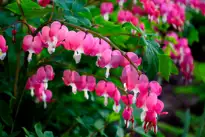
Bleeding heart is a graceful and charming perennial that adorns the garden with its hanging heart-shaped flowers. It is known for its delicate and almost romantic look. Bleeding hearts thrive best in well-drained soil and prefer a slightly acidic to neutral pH value. It is perfectly suited to shady areas and can be used to create a beautiful play of colour in shady beds.
Well-drained soil is essential for bleeding heart to thrive. A slightly acidic to neutral pH value is ideal. Adding organic matter to the soil can improve the plant's growing conditions.
Bleeding heart thrives best in shady areas. A position with partial shade is also acceptable.
Avoid direct sun, as it can harm the plant.
Bleeding heart is an ideal plant for anyone who wants to add a romantic touch to their garden, and it can be used to create contrasts in shady corners. By choosing the right soil and light conditions, you can ensure a healthy, flowering bleeding heart throughout the growing season.
Some of the most widespread species in Denmark:
- Dicentra formosa (Pacific bleeding heart): A lower species with delicate pink flowers that adds elegance to the garden.
- Dicentra spectabilis (Common bleeding heart): With its distinctive red and white flowers, this species is a favourite in Danish gardens.
- Dicentra eximia (Fringed bleeding heart): Known for its finely feathered leaves and pink flowers, this species thrives in shady areas.
This guide is for guidance only. Landscaping and gardening is not an exact science, and a successful result can be affected by many variables, including (but not limited to): soil conditions, location, watering, temperatures, weather, application of fertiliser and mulch, and much more.