 da
 en


- Frontpage >
- Plant Encyclopedia >
- Bluebeard
Bluebeard
- Latin name: Caryopteris
- Type: Flower
- Light conditions: Sun, partial shade
- Soil conditions: Ordinary, well-drained
- Other: Hardy, attracts pollinators, drought-tolerant.
Recommended Products

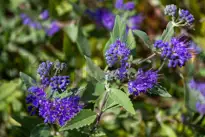
Bluebeard (Caryopteris) is a charming and easy-to-grow plant that adds elegance to the garden with its delicate flowers and aromatic foliage. Bluebeard is not only beautiful with its blue-purple flower clusters, it also stands out for its appeal to bees and butterflies. The plant is hardy and requires minimal maintenance, which makes it perfect for both experienced gardeners and beginners.
Bluebeard thrives best in well-drained soil with a neutral to slightly acidic pH value, and well-drained garden soil contributes to its optimal growth. Bluebeard is also drought-tolerant, which makes it well suited to the changeable Danish weather.
When it comes to light conditions, bluebeard prefers sunny areas, but it can also thrive in light shade. However, a position that receives at least 6 hours of direct sunlight a day will promote abundant flowering and healthy growth. This versatility makes bluebeard an ideal plant for various gardens and landscapes, where it adds both beauty and easy care.
Some popular varieties of bluebeard that thrive in Danish gardens include:
- Caryopteris clandonensis 'Heavenly Blue': A classic variety with intense blue flowers.
- Caryopteris × clandonensis 'Dark Knight': Known for its deep blue flowers and compact growth.
- Caryopteris × clandonensis 'Longwood Blue': A tall variety with beautiful flower clusters.
- Caryopteris × clandonensis 'Grand Bleu': A variety with large, light blue flowers.
- Caryopteris × clandonensis 'Worcester Gold': Stands out with golden foliage and blue flowers.
- Caryopteris × clandonensis 'Sunshine Blue': A compact variety with yellow foliage and blue flowers.
This guide is for guidance only. Landscaping and gardening is not an exact science, and a successful result can be affected by many variables, including (but not limited to): soil conditions, location, watering, temperatures, weather, application of fertiliser and mulch, and much more.