 da
 en


- Frontpage >
- Plant Encyclopedia >
- Blueberry
Blueberry
- Latin name: Vaccinium
- Type: Berry bush
- Light conditions: Partial shade, sun
- Soil conditions: Acidic, well-drained
- Other: Edible berries, a lovely addition to the ericaceous bed
Recommended Products

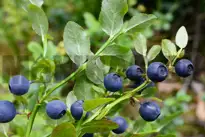
Blueberry is not only a delicious berry plant, but also a healthy and popular addition to Danish gardens. Blueberries belong to the heather family (Ericaceae) and are known for their small, round berries, which vary in colour from blue to purple and black depending on the species.
Blueberries prefer acidic soil with a pH value between 4.0 and 5.5. It is important to have well-drained, acidic soil to meet the blueberry's particular requirements. A mix of peat, sphagnum moss and sand can improve the soil structure and ensure optimal acidity. If the soil is not acidic enough, it can affect the blueberry plant's health and berry production negatively.
Blueberries thrive best in areas with partial shade to full sun. They need at least 6 hours of sunlight a day to produce healthy, tasty berries. The position of the blueberry bush in the garden should therefore take this requirement into account. However, some varieties can tolerate light shade and may be better suited to shadier areas.
Growing blueberries in the garden not only gives you delicious berries to harvest, but also beautiful flowers in spring and attractive autumn colours. It is important to choose varieties that suit your specific soil and light conditions to ensure a healthy and productive blueberry bush.
There are many species of blueberry; here is a list of some blueberry species found in Danish gardens:
- Highbush blueberry (Vaccinium corymbosum): This species produces large, juicy blueberries and is a favourite in Danish gardens. There are various varieties of highbush blueberry with different ripening times and flavours.
- Bog bilberry (Vaccinium uliginosum): Also known as northern bilberry, this species grows naturally in Danish woodland. It produces smaller berries, but is known for its robustness and ability to thrive in harsher environments.
- Lingonberry (Vaccinium vitis-idaea): Although it is not a typical blueberry, the lingonberry is still a popular berry in Danish gardens. It has a slightly tart taste and is often used in jams and sauces.
- Lowbush blueberry (Vaccinium angustifolium): These blueberries are smaller than highbush blueberries, but they have an intense flavour. Lowbush blueberries are also known for their beautiful autumn colours.
- Dwarf blueberry (Vaccinium 'Top Hat'): A dwarf variety that is suitable for small gardens and pots/small beds. It produces small, tasty blueberries.
This guide is for guidance only. Landscaping and gardening is not an exact science, and a successful result can be affected by many variables, including (but not limited to): soil conditions, location, watering, temperatures, weather, application of fertiliser and mulch, and much more.