 da
 en


- Frontpage >
- Plant Encyclopedia >
- Catnip
Catnip
- Latin name: Nepeta cataria
- Type: Herb
- Light conditions: Full sun, tolerates shade
- Soil conditions: Ordinary, well-drained
- Other: Attracts butterflies
Recommended Products

Catnip is a popular plant in Danish gardens, known for its attractive appearance and a scent that has an intoxicating effect on cats. This herb has a range of uses in garden design, and its aromatic qualities make it a valuable addition to any garden.
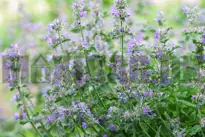
Catnip not only attracts cats – its beautiful purple flowers also make it a decorative plant in the garden. It can be planted along paths, in perennial beds or as an edging plant. The scent can also act as a natural insect repellent, which makes it practical near terraces or seating areas.
Catnip thrives best in well-drained soil. It prefers a slightly alkaline to neutral pH. Moderately moist soil is ideal; avoid waterlogged areas. Adding compost can improve the soil structure. Plant in areas with good air circulation to prevent mildew.
Catnip needs full sun to flower best. It can tolerate light shade, but plenty of sunlight promotes more abundant flowering. Place it in areas with at least 6 hours of direct sun a day. Avoid places with excessive shade, as this can reduce the plant's vitality. Remember to prune surrounding plants to prevent shading.
Popular species in Danish gardens:
- Nepeta faassenii (Catmint): A low, dense plant with small purple flowers, ideal as ground cover.
- Nepeta racemosa (Raceme catmint): Attractive grey-green foliage and pale purple flowers; attracts butterflies.
- Nepeta x faassenii 'Walker's Low': A low, long-lasting plant with an intense scent and long-lasting flower spikes.
- Nepeta grandiflora (Large-flowered catmint): A large-growing plant with strong purple flowers, suitable for the back of the border.
- Nepeta nervosa (Veined catmint): A compact plant with blue flowers, suitable for small gardens.
These species of catnip and catmint enrich the garden with their beauty, scent and attraction for cats, and they can easily be integrated into different garden spaces and landscape designs.
This guide is for guidance only. Landscaping and gardening is not an exact science, and a successful result can be affected by many variables, including (but not limited to): soil conditions, location, watering, temperatures, weather, application of fertiliser and mulch, and much more.