 da
 en


- Frontpage >
- Plant Encyclopedia >
- Chamomile
Chamomile
- Latin name: Chamomilla
- Type: Herb
- Light conditions: Full sun (shade-tolerant)
- Soil conditions: Ordinary, well-drained, light
- Other: -
Recommended Products

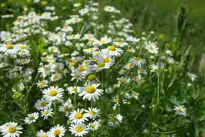
Chamomile is a beautiful and versatile plant often used in garden design for its delicate flowers and calming aroma. The plant adds a charming touch to the garden and can be used in many ways.
Chamomile works well as an edging plant in flower beds or as a border around kitchen gardens. It can also be grown in pots or hanging baskets to create a romantic atmosphere on the terrace. In addition to its decorative purpose, chamomile can also be used to attract beneficial insects to the garden.
Chamomile prefers well-drained soil with a light texture. Avoid soil that is too heavy, as it can lead to root rot. A neutral to slightly acidic pH value is ideal for chamomile. Water regularly, but avoid waterlogging. Organic matter such as compost can improve the soil structure.
Chamomile thrives best in full sun, but can also tolerate light shade. Place the plants where they get at least 6 hours of sunlight a day. In summer, light filtering or afternoon shade can be beneficial. Avoid placing them in shady areas, as this can affect flowering. Consider rotating the plant's position to ensure even exposure to sunlight.
Widespread species in Denmark:
- German chamomile (Chamomilla recutita): The most common species, with white flowers and a mild aroma.
- Roman chamomile (Chamaemelum nobile): Low-growing, forms dense carpets and has a strong scent.
- Pineappleweed (Matricaria discoidea): A low, creeping plant with small flowers.
- Dyer's chamomile (Anthemis tinctoria): Yellow-flowered, robust plants with silvery leaves.
These chamomile species are well suited to adding beauty and benefit to Danish gardens, where they thrive in various soil and light conditions.
Scentless mayweed, also known as Tripleurospermum perforatum, is a charming plant that enriches any garden and grows wild in many places in fields, grassland, meadows and roadside verges. With its delicate white flowers and finely cut, light green leaves, it adds an airy and refreshing element.
Scentless mayweed thrives in sunny areas and prefers well-drained soil. Unlike true chamomile, it has almost no scent, but it is a hardy and easy plant that self-seeds readily.
With its graceful appearance and easy-going nature, scentless mayweed is a popular addition to Danish gardens.
This guide is for guidance only. Landscaping and gardening is not an exact science, and a successful result can be affected by many variables, including (but not limited to): soil conditions, location, watering, temperatures, weather, application of fertiliser and mulch, and much more.