 da
 en


- Frontpage >
- Plant Encyclopedia >
- Chervil
Chervil
- Latin name: Anthriscus
- Type: Herb
- Light conditions: Partial shade, sun
- Soil conditions: Ordinary, well-drained
- Other: Native
Recommended Products

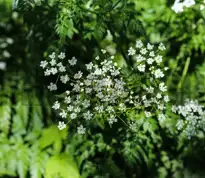
Chervil is a beautiful and delicate part of the Danish flora. These plants, which belong to the carrot family (Apiaceae), are known for their fine leaves and umbels of small flowers, which enrich both gardens and natural areas.
Chervil thrives best in good-quality, well-drained soil. It can be grown in different soil types, such as ordinary garden soil, clay or sand, but a slightly acidic to neutral pH value is preferable. The soil should be moderately moist, and it is important to avoid waterlogging, as this can damage the chervil's roots. Chervil is known to do well in both sunny and lightly shaded areas.
When it comes to light conditions, chervil is a versatile plant that can adapt to different environments. It thrives in areas with partial shade and can also do well in direct sunlight, especially if the soil is kept moist. This makes chervil suitable for growing under trees, along fences or in more open areas of the garden.
The grace and versatility of chervil make it a valued plant in Danish gardens, where it can add beauty and culinary interest. By taking the right growing conditions into account, chervil can thrive and enrich any garden with its charming appearance
Chervil (Anthriscus) is not only a decorative plant – it is also used in cooking and is known for its delicate flavour. Here is a list of five chervil types found in Denmark:
- Cow parsley (Anthriscus sylvestris): This wild relative of garden chervil is common in Denmark. Its fine, divided leaves have a mild, fresh taste reminiscent of a combination of parsley and aniseed, but it is easily confused with poisonous plants and should only be picked by experienced foragers.
- Garden chervil (Anthriscus cerefolium): This species is known as the "true" chervil and is a popular herb. It has delicate, light green leaves and a mild, sweetish flavour that makes it well suited for use fresh in salads, soups or as a garnish.
- Variegated cow parsley (Anthriscus sylvestris 'Variegatus'): This variety of cow parsley has variegated leaves and is mainly grown as an ornamental plant.
- Golden cow parsley (Anthriscus sylvestris 'Gold Lace'): This variety has golden, finely divided leaves that add a decorative touch to the garden.
- Cow parsley 'Chamomile White' (Anthriscus sylvestris 'Chamomile White'): This variety has white flower umbels and fine leaves and is grown for its decorative value.
Garden chervil can be used as a herb in the kitchen, either fresh or dried, and adds a delicious flavour and an aesthetic element to many dishes.
It is important to note that not all types of chervil are edible, and it is recommended to grow them organically (without the use of pesticides or chemicals) if you intend to use them in cooking. Always double-check and make sure that the plant is correctly identified and considered edible before you use it in the kitchen.
5 other widespread types of chervil in Denmark:
- Bur chervil (Anthriscus caucalis): Characterised by its small white flowers and spreading growth.
- Anthriscus cotula: A wild species with small flower umbels and distinctive smelling leaves.
- Cow parsley 'Ravenswing' (Anthriscus sylvestris 'Ravenswing'): A variety with striking dark purple leaves.
- Chervil 'Brussels Winter' (Anthriscus cerefolium): A herb variety with an intense aroma and fine leaves.
- Double-flowered bur chervil (Anthriscus caucalis 'Flore Pleno'): With double white flowers.
This guide is for guidance only. Landscaping and gardening is not an exact science, and a successful result can be affected by many variables, including (but not limited to): soil conditions, location, watering, temperatures, weather, application of fertiliser and mulch, and much more.