 da
 en


- Frontpage >
- Plant Encyclopedia >
- Christmas Rose
Christmas Rose
- Latin name: Helleborus
- Type: Perennial
- Light conditions: Shade, partial shade
- Soil conditions: Ordinary, well-drained
- Other: Can tolerate a little sun
Recommended Products

The Christmas rose, also known as hellebore, is a beautiful plant that adds elegance and colour to the garden, especially in the winter months. This perennial is known for its early flowers, which often appear in December and January and bring life to the garden when other plants are dormant.
The Christmas rose is a versatile plant that can be used in different garden designs. It works well as green ground cover under trees or shrubs and adds a touch of colour in shady areas. The plant also thrives in large pots and can be a charming indoor plant during the winter.
It prefers well-drained soil with plenty of organic matter. Make sure the soil pH is slightly acidic to neutral. Avoid waterlogging to prevent the roots from rotting. Add soil conditioner or cover the soil around the plant with, for example, wood chips or bark mulch. This helps retain moisture and suppress weeds. Feed regularly during the growing season with a slow-release fertiliser.
It thrives in partial shade to shady areas. It can tolerate a little sun, but avoid direct afternoon sun. Ideal under trees or close to houses that provide shade. It flowers better in areas with diffused light. Protect it from strong wind to prevent it from drying out.
Some species seen in Danish gardens:
- Helleborus niger (Christmas rose): Has white flowers with golden-yellow stamens.
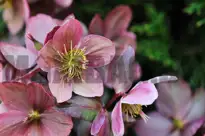
- Helleborus orientalis (Lenten rose): Great colour variation in the flowers, from deep red to greenish white.
- Helleborus foetidus (Stinking hellebore): Has unique green flowers and lobed leaves.
- Helleborus argutifolius (Corsican hellebore): Green flowers and leathery leaves.
- Helleborus viridis (Green hellebore): Small green flowers and spreading growth.
The Christmas rose not only adds beautiful flowers to the garden – its ability to thrive in shady areas makes it a valuable addition to any garden design.
This guide is for guidance only. Landscaping and gardening is not an exact science, and a successful result can be affected by many variables, including (but not limited to): soil conditions, location, watering, temperatures, weather, application of fertiliser and mulch, and much more.