 da
 en


- Frontpage >
- Plant Encyclopedia >
- Comfrey
Comfrey
- Latin name: Symphytum
- Type: Perennial
- Light conditions: Ordinary, well-drained, moist
- Soil conditions: Sun, partial shade
- Other: Hardy and drought-tolerant
Recommended Products

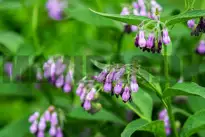
Comfrey is a robust plant known for its rough, hairy leaves and distinctive bell-shaped flowers. It thrives in a wide range of soil conditions and is ideal for adding structure and colour to the garden.
Comfrey prefers well-drained soil and can adapt to different soil types. It thrives best in moist soil, but is tolerant of periods of drought. Adding organic matter can improve the soil structure and help the plant thrive. Here you can benefit from adding our soil conditioner, which can help improve the soil structure and provide extra nutrients for the plant.
Comfrey thrives in sunny to lightly shaded areas. It can grow in full sun, but also tolerates shade, which makes it versatile in its position in the garden.
Some comfrey species:
- Common comfrey (Symphytum officinale): The most widespread species, known for its bell-shaped blue, purple or creamy flowers and rough, hairy leaves. Traditionally used in herbal medicine.
- Russian comfrey (Symphytum x uplandicum): A hybrid of common comfrey and rough comfrey, often grown for its decorative qualities.
- Symphytum x hidcotense: A hybrid with pale blue to pinkish flowers and spreading growth.
- Caucasian comfrey (Symphytum caucasicum): Known for its beautiful bluish flowers and decorative foliage.
- Symphytum 'Goldsmith': A variety with gold-variegated leaves that adds colour to the garden.
Comfrey is known for its hardiness and ability to thrive in different conditions. However, it should be noted that some species can be invasive, so it is important to keep an eye on how they spread in the garden.
This guide is for guidance only. Landscaping and gardening is not an exact science, and a successful result can be affected by many variables, including (but not limited to): soil conditions, location, watering, temperatures, weather, application of fertiliser and mulch, and much more.