 da
 en


- Frontpage >
- Plant Encyclopedia >
- Crab Apple
Crab Apple
- Latin name: Malus
- Type: Fruit tree
- Light conditions: Sun
- Soil conditions: Ordinary, well-drained
- Other: -
Recommended Products

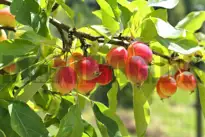
Crab apple trees are beautiful deciduous trees that adorn Danish gardens with their decorative flowers and colourful fruits. These trees belong to the rose family (Rosaceae) and are known for their ornamental value as well as their fruit. To ensure optimal growth, it is essential to take the right soil and light conditions into account.
Crab apple trees thrive best in good-quality, well-drained soil. They can adapt to different soil types, including clay, sand or loam, but prefer soil with a slightly acidic to neutral pH value. Good drainage is essential to prevent root rot, especially in areas with heavy soil. Adding organic matter to the soil before planting can improve the soil structure and nutrient content.
When it comes to light conditions, crab apple trees are generally sun-loving plants. They thrive best in areas with full sun, where they get at least six hours of direct sunlight a day. Optimal sunlight ensures abundant flowering and healthy fruit production. Crab apple trees can also be grown in areas with partial shade, but full sun is ideal for the best growth and flowering.
Crab apple trees add both beauty and practical value to Danish gardens with their spring flowers and colourful fruits. By taking the right growing conditions into account, you can enjoy both the ornamental value and the fruit harvest from these beautiful trees.
There are many types of crab apple; here is a description of some of them:
-
Japanese crab apple (Malus floribunda 'Seto'): A multi-stemmed variety of Japanese crab apple.
Has distinctive flower clusters and can come in different colour variants. Suitable for decorative purposes in the garden. -
Crab apple (Malus 'Adirondack'): A standard variety of crab apple on an 80 cm stem. Suitable for garden design and ornamental value.
-
Crab apple (Malus 'Fontana'): A standard crab apple available in different colour variants.
Suitable for decoration and gardening. -
Crab apple (Malus 'Golden Hornet'): A variety with yellow fruits. Works well as a decorative ornamental tree in the garden.
-
Crab apple (Malus 'Gorgeous'): A variety with beautiful flowers. Suitable as a central ornamental feature in the garden.
-
Crab apple (Malus 'Laura'): Can be used for garden design and decoration.
-
Crab apple (Malus 'Makamik'): Suitable for larger gardens and decorative purposes.
-
Crab apple (Malus 'Red Sentinel'): A crab apple with red fruits. Can add colour and interest to the garden.
Crab apples can be used in many contexts – in cooking, as ornaments, in potpourri and in bouquets.
Ornamental value in the garden: Crab apple trees are known for their beautiful and decorative flowers, which bloom in spring. The flowers can vary in colour from white to pink and create a picturesque and colourful sight in the garden. The shape and foliage of the trees also contribute to their aesthetic appeal and make them popular ornamental trees in many gardens.
Fruit decoration in bouquets and arrangements: Crab apples are small, colourful fruits that can be used as decoration in bouquets and flower arrangements. Their bright colours and unique shape add a playful and festive atmosphere to decorations for special occasions or as a simple and charming decoration in the home.
Scented sachets and potpourri: Crab apples give off a subtle and pleasant scent, especially when they dry. They can be used in scented sachets or potpourri to add a natural and fresh aroma to the home. Combined with other dried flowers and spices, crab apples create a wonderful fragrance.
Craft projects: Crab apples can be used in various craft projects. They can be threaded on string as decorative beads, made into wreaths or used as part of creative arts and crafts activities. Their small size and colours make them suitable for many kinds of creative expression.
Fruit jelly and juice: Although crab apples are not generally eaten raw, many varieties can be used to make fruit jelly or juice. It is important to make sure that the specific crab apples used for food are suitable and have not been treated with harmful chemicals.
Biodiversity in the garden: Crab apples and their trees attract various kinds of wildlife, including birds and insects. They can be part of a conscious effort to increase biodiversity in the garden and create a healthy and balanced ecosystem.
This guide is for guidance only. Landscaping and gardening is not an exact science, and a successful result can be affected by many variables, including (but not limited to): soil conditions, location, watering, temperatures, weather, application of fertiliser and mulch, and much more.