 da
 en


- Frontpage >
- Plant Encyclopedia >
- Cyclamen
Cyclamen
- Latin name: Cyclamen
- Type: Perennial
- Light conditions: Shade, partial shade
- Soil conditions: Ordinary, well-drained, slightly acidic
- Other: -
Recommended Products

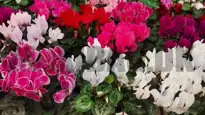
Cyclamen is a delicate and graceful plant that adds a touch of colour to both indoor and outdoor settings. This popular plant is characterised by its distinctive heart-shaped leaves and attractive flowers. To achieve successful growth and flowering, it is important to take the cyclamen's preferred soil and light conditions into account.
Cyclamen thrives best in well-drained, slightly acidic soil. It is important to avoid heavy clay soil, which can prevent proper drainage and cause root rot. A well-drained potting mix or garden soil with added sand or perlite can be ideal. Cyclamen prefers a slightly acidic to neutral soil pH. Watering should be moderate to avoid waterlogging.
Cyclamen thrives in areas with partial shade to full shade. It is known to grow naturally under trees and shrubs in the wild, which makes it well suited to shady areas of the garden. On windowsills indoors, it should also be placed somewhere with diffused light, avoiding direct sunlight, especially during the hottest hours of the day.
List of some of the cyclamens we know from Danish gardens:
- Cyclamen hederifolium (Ivy-leaved cyclamen): Known for its heart-shaped leaves and pink to purple flowers, this species is common in Denmark.
- Cyclamen coum (Eastern cyclamen): A species that flowers in winter with small pink flowers and marbled leaves.
- Cyclamen purpurascens (Purple cyclamen): A species with pink to purple-red flowers, often found in woodland areas.
- Cyclamen repandum (Spring cyclamen): This species has pink or white flowers and a creeping habit, which makes it suitable as ground cover.
The versatility and beauty of the cyclamen make it a valued plant in Danish gardens, and with the right care it can bring joy with its charming flowers and leaves.
This guide is for guidance only. Landscaping and gardening is not an exact science, and a successful result can be affected by many variables, including (but not limited to): soil conditions, location, watering, temperatures, weather, application of fertiliser and mulch, and much more.