 da
 en


- Frontpage >
- Plant Encyclopedia >
- Delphinium
Delphinium
- Latin name: Delphinium
- Type: Perennial
- Light conditions: Full sun
- Soil conditions: Ordinary, well-drained
- Other: Attracts pollinators
Recommended Products
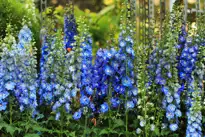
Delphinium is a majestic and colourful perennial that adorns gardens with its impressive flower spikes. Delphinium is not only an ornamental plant in the garden – its tall stems and slender flowers also attract bees and butterflies, contributing to the ecological balance. With the right growing conditions, delphinium can add elegance and colour to any garden.
Delphinium thrives best in good-quality, well-drained, moist soil. It prefers a neutral to slightly acidic pH value. A well-mixed garden soil with added compost or well-rotted manure when planting helps retain moisture and ensure suitable nutrition. Drainage is essential to avoid rot and ensure healthy plant development.
Delphinium is a sun-loving plant and thrives best in full sun. It needs at least 6-8 hours of direct sunlight a day to produce its distinctive, dense flower spikes. The position should be well lit to ensure upright growth and abundant flowering. Although it can tolerate light shade, a sunny position will optimise its performance and colour.
5 widespread types of delphinium in Denmark:
- Candle larkspur (Delphinium elatum): The common delphinium with majestic flower spikes in shades of blue, purple or white.
- Delphinium grandiflorum (Siberian larkspur): A type with large, colourful flowers in various colours such as blue, purple and white.
- Delphinium belladonna (Belladonna delphinium): A type known for its intense blue flowers, which attract attention in the garden.
- Delphinium x cultorum (Hybrid delphinium): A hybrid group that combines different species and offers a broad colour spectrum.
- Delphinium ajacis (Larkspur): An annual species that includes smaller varieties in a range of colours, including pink and violet.
This guide is for guidance only. Landscaping and gardening is not an exact science, and a successful result can be affected by many variables, including (but not limited to): soil conditions, location, watering, temperatures, weather, application of fertiliser and mulch, and much more.