 da
 en


- Frontpage >
- Plant Encyclopedia >
- Elder
Elder
- Latin name: Sambucus
- Type: Shrub, berry bush
- Light conditions: Full sun, partial shade
- Soil conditions: Ordinary, well-drained, moist
- Other: Attracts pollinators, useful in cooking
Recommended Products

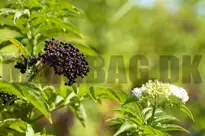
Elder (the elder bush) is a versatile and popular plant in garden design. Its beautiful flower clusters and distinctive berries add both beauty and function to the garden. Elder is suitable as an ornamental plant, hedge or specimen plant, and it also attracts beneficial insects such as bees and butterflies.
The soil for elder should be well-drained and moist. The plant can adapt to different soil types, but it thrives best in nutrient-rich, moist soil. Adding organic matter, such as our soil conditioner, when planting can help improve the soil structure and retain moisture.
When it comes to light conditions, elder thrives best in full sun or light shade. A position that gets at least 6 hours of direct sun a day will promote abundant flowering and berry production. However, elder can also survive in partial shade, which makes it versatile and suitable for different garden conditions.
Some elder species are listed below. In Denmark, the most widespread is Sambucus nigra.
- Sambucus nigra (Black elder): Known for its fragrant flower clusters and black berries.
- Sambucus racemosa (Red elder): A species with red berries and decorative red stems.
- Sambucus canadensis (American elder): A North American species with large flower clusters and berries.
- Sambucus cerulea (Blue elder): A species with bluish berries and attractive flower clusters.
- Sambucus ebulus (Dwarf elder): A smaller species with white flowers and black berries.
These elder species offer a wide range of colours and shapes, which makes them excellent choices for gardening enthusiasts in Denmark.
Culinary history
Elder has a long culinary history. Both the flowers and berries of the elder have been used in traditional dishes and drinks in many cultures. Here are some ways elder can be used in cooking:
-
Elderflower cordial: One of the best-known uses of elder is making elderflower cordial. The flower heads are used to make a refreshing and aromatic cordial that can be diluted with water and served as a cool drink on hot days. The cordial can also be used in cocktails or as a flavouring in desserts.
-
Elderflower fritters: Elderflowers can be dipped in a light batter (e.g. pancake batter) and fried, creating delicious elderflower fritters. These crispy, sweet fried flower heads make a delicate dessert or a fun snack.
-
Elderberry compote: Elderberries can be cooked down into a compote with sugar and spices, which can be used as a topping for ice cream, yoghurt or pancakes. The compote can also be added to sauces or marinades to give a unique flavour.
-
Elderberry jam: Elderberries are well suited to making jam that can be spread on bread, pancakes or croissants. The slightly tart taste of elderberries gives the jam a distinctive and delicious note.
-
Elderflower ice cream: Elderflower cordial or elderflowers can be added to ice cream mixtures to create a refreshing and aromatic elderflower ice cream. This ice cream is perfect for ending a meal in a sweet and light way.
- Elderberry soup: Is a traditional, refreshing and tasty soup made with elderberries. It is known as a traditional Danish winter dish, eaten warm with crushed rusks or apples. But it can also be enjoyed as a cool summer soup with vanilla ice cream, crème fraîche or whipped cream.
Elder not only adds a subtle and unique flavour to culinary creations – its flowers and berries also contain antioxidants and nutrients that contribute to a healthy and tasty experience.
This guide is for guidance only. Landscaping and gardening is not an exact science, and a successful result can be affected by many variables, including (but not limited to): soil conditions, location, watering, temperatures, weather, application of fertiliser and mulch, and much more.