 da
 en


- Frontpage >
- Plant Encyclopedia >
- Ferns
Ferns
- Latin name: Pteridophyta
- Type: Plant
- Light conditions: Partial shade, shade (some species tolerate more sun)
- Soil conditions: Ordinary, well-drained, moist (adaptable)
- Other: There are around 20,000 species of fern
Recommended Products

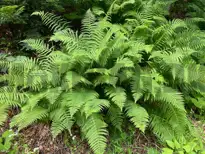
Ferns belong to the extensive plant group called Pteridophyta and are known for their delicate, feathery fronds, which add an elegant and natural beauty to both the woodland floor and gardens. These plants thrive in many different environments and are often valued for their shade tolerance and ease of cultivation.
Ferns thrive best in well-drained, moist soil with plenty of organic matter. Here you can benefit from adding our soil conditioner, which can help improve the soil structure and provide extra nutrients for the plant. Ferns are not fussy about soil type and can grow in anything from sand to clay soil, as long as the soil is moist and well-drained. Ferns are also known to be adaptable and can thrive in both acidic and alkaline soil.
Ferns are shade-tolerant plants and thrive in areas with partial shade to full shade. This makes them well suited to growing under trees or in woodland areas, where they can enjoy the filtered light. However, some species can also tolerate sunnier conditions, especially if the soil is moist enough.
Ferns are not only characterised by their unique and beautiful appearance – they also play a significant role in enriching the ecosystem and adding diversity to the natural landscape and gardens in Denmark.
Some of the most widespread fern species in Denmark:
- Common polypody (Polypodium vulgare): Also known as adder's fern. A common fern known for its small, leathery fronds and ability to grow in different environments.
- Wood ferns (Dryopteris spp.): A large group of ferns, including species such as male fern (Dryopteris filix-mas), hay-scented buckler fern (Dryopteris aemula) and broad buckler fern (Dryopteris dilatata).
- Ostrich fern (Matteuccia struthiopteris): Known for its distinctive shape, where the fresh fronds unfold like ostrich feathers.
- Soft shield fern (Polystichum setiferum 'Proliferum'): is an elegant fern with divided, dark green fronds and unique plantlets along the stems that create a lush and decorative foliage structure. Suitable for shady areas of the garden.
- Lady fern (Athyrium filix-femina): is a graceful fern with finely feathered fronds that add a delicate and airy texture to shady gardens. It thrives in well-drained soil and is popular for its elegant appearance.
- Purple royal fern (Osmunda regalis Purpurascens): is a remarkable fern with deep red stems and feathery green fronds. It adds a striking element of colour to moist areas of the garden.
- Male fern (Dryopteris filix-mas): is a robust fern with lush, green feathery fronds, ideal for shady areas of the garden. It adds a natural touch and thrives in moist, well-drained soil.
- Brass buttons - Reptans (Leptinella dioica Reptans): Is a low-growing, evergreen plant with fine, textured leaves that form a dense, ground-covering carpet. Its compact growth makes it ideal as ground cover or in rock gardens, and it adds an attractive element to the garden.
- Brass buttons - Potentillina (Leptinella potentillina, formerly known as Cotula potentillina): is a low-growing, carpet-forming plant with fine, feathery leaves that gives a green carpet effect in the garden. It is suitable as ground cover and thrives in sunny to lightly shaded areas.
This guide is for guidance only. Landscaping and gardening is not an exact science, and a successful result can be affected by many variables, including (but not limited to): soil conditions, location, watering, temperatures, weather, application of fertiliser and mulch, and much more.