 da
 en


- Frontpage >
- Plant Encyclopedia >
- Foxglove
Foxglove
- Latin name: Digitalis
- Type: Perennial
- Light conditions: Partial shade, sun
- Soil conditions: Ordinary, well-drained, moist
- Other: The whole plant is poisonous; attracts pollinators, especially bumblebees
Recommended Products

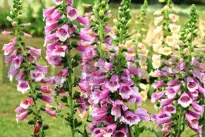
Foxglove, also known as Digitalis, is a charming, tall plant characterised by its tower-like flower spikes. These flowers, which look like small thimbles, attract not only people with their beauty, but also bees and butterflies, which enjoy the nectar.
Foxglove thrives best in well-drained, moist soil. It prefers a slightly acidic to neutral pH value. Make sure the soil is rich in organic matter, as this helps retain moisture and provides the nutrients it needs.
Foxglove thrives in partial shade to full sun. It can grow under trees or in areas with light shade, but for optimal flowering it is best to give it at least 4-6 hours of direct sunlight a day.
Some widespread foxglove species in Denmark:
- Common foxglove (Digitalis purpurea): The most common species, with tower-like flowers in shades of red and purple.
- White foxglove (Digitalis purpurea f. albiflora): A beautiful variety with pure white flowers that creates contrast in the garden.
- Yellow foxglove (Digitalis grandiflora): Known for its pale yellow flowers and more compact growth.
- Spanish rusty foxglove (Digitalis obscura): Has unique flower spikes and thrives in light shade.
- Small yellow foxglove (Digitalis lutea): A smaller species with yellow flowers and finer leaves, suitable for smaller gardens.
These foxglove species are popular in Danish gardens and add colour and life to the landscape with their distinctive flowers.
This guide is for guidance only. Landscaping and gardening is not an exact science, and a successful result can be affected by many variables, including (but not limited to): soil conditions, location, watering, temperatures, weather, application of fertiliser and mulch, and much more.