 da
 en


- Frontpage >
- Plant Encyclopedia >
- Hemp Agrimony
Hemp Agrimony
- Latin name: Eupatorium
- Type: Perennial
- Light conditions: Full sun, partial shade
- Soil conditions: Ordinary, well-drained, nutrient-rich
- Other: Hardy, adaptable
Recommended Products

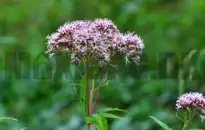
Hemp agrimony is a beautiful and hardy plant that adorns the garden with its airy pink flower clusters. This perennial attracts butterflies and bees and is ideal for garden design, where it adds a natural lightness and colour. For the best result, it is recommended to plant it in groups to create an impressive sight.
Hemp agrimony thrives best in well-drained soil that is rich in nutrients. It prefers soil that is slightly acidic to neutral, but it can also thrive in slightly alkaline soil. The plant is therefore adaptable when it comes to soil conditions. It is important that the soil has good drainage to avoid standing water, as this can lead to root problems.
Hemp agrimony prefers full sun, but can also thrive in light shade. For the lushest growth and maximum flowering, it is recommended to place the plant somewhere it gets at least 6 hours of direct sun a day. However, many varieties show a certain tolerance of shade, which makes them versatile in different garden settings.
Some types of eupatorium you can find in Danish gardens:
- Eupatorium maculatum (Spotted Joe-Pye weed): A tall plant with distinctive purple flower clusters.
- Eupatorium rugosum (White snakeroot): Known for its white flower clusters and rough leaves.
- Eupatorium purpureum (Sweet Joe-Pye weed): A popular type with intense purple flowers.
- Eupatorium dubium (Dwarf Joe-Pye weed): A compact variety suitable for smaller gardens.
- Eupatorium coelestinum (Blue mistflower): With bluish flower clusters and beautiful foliage.
These eupatorium species not only add beauty to the garden – their adaptability to different soil and light conditions makes them suitable for various gardens around Denmark.
This guide is for guidance only. Landscaping and gardening is not an exact science, and a successful result can be affected by many variables, including (but not limited to): soil conditions, location, watering, temperatures, weather, application of fertiliser and mulch, and much more.