 da
 en


- Frontpage >
- Plant Encyclopedia >
- Herb Bed
Herb Bed
- Type: Bed
- Light conditions: Full sun (light shade)
- Soil conditions: Ordinary, well-drained, nutrient-rich, light
- Other: -

Recommended Products
A herb bed is an excellent way to bring flavour and aroma into the garden and the kitchen. When planning a herb bed, it is important to consider the right soil and light conditions to make sure the herbs thrive.
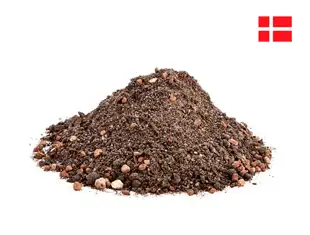
Herbs generally thrive in good-quality, well-drained soil. A light, sandy or humus-rich soil is ideal, as it ensures that water does not stagnate at the roots. To improve the soil's nutrient content, compost or well-rotted manure can be added. Here you can benefit from adding our soil conditioner, which can help improve the soil structure and provide extra nutrients for the plant. It is also important to ensure a neutral to slightly acidic pH value, as this supports most herbs. Good drainage is essential to prevent root rot and other soil-related problems.
Most herbs thrive best in areas with full sun. The position of the herb bed should therefore be chosen so that it gets at least six hours of direct sunlight a day. The sun is essential for the herbs' growth and the development of the essential oils that give them their distinctive flavour and aroma. If full sun is difficult to achieve, herbs can also grow in areas with light shade, but optimal growth is achieved in sunny conditions.
The most commonly grown outdoor herbs in Denmark:
- Basil (Ocimum basilicum): A fragrant herb with a distinctive aroma, used in many dishes.
- Parsley (Petroselinum crispum): A versatile herb that can be used as a garnish and to add flavour to many dishes.
- Dill (Anethum graveolens): A popular herb with a fresh, slightly aniseed flavour that goes well with fish and salads.
- Chives (Allium schoenoprasum): With its mild onion flavour, chives are ideal as a topping for dishes or in dressings.
- Oregano (Origanum vulgare): A herb with a strong flavour that is indispensable in many Italian dishes.
- Thyme (Thymus vulgaris): An aromatic herb that adds flavour to meat dishes, sauces and soups.
- Rosemary (Rosmarinus officinalis): With its intense aroma, rosemary is well suited to grilled meat and baked dishes.
- Mint (Mentha): A refreshing herb used in drinks, desserts and salads. Mint spreads a lot and is best planted in pots or in a sunken pot/container with a rim 5-10 cm above ground level, with holes in the bottom and a layer of drainage/small stones.
- Coriander (Coriandrum sativum): With its distinctive flavour, coriander is used in many cuisines around the world.
- Sage (Salvia officinalis): A herb with a slightly peppery flavour that is well suited to meat dishes and stuffings.
Establishing a successful herb bed requires a combination of the right soil and light conditions and a passion for growing and enjoying fresh herbs in the kitchen.
This guide is for guidance only. Landscaping and gardening is not an exact science, and a successful result can be affected by many variables, including (but not limited to): soil conditions, location, watering, temperatures, weather, application of fertiliser and mulch, and much more.