 da
 en


- Frontpage >
- Plant Encyclopedia >
- Holly
Holly
- Latin name: Ilex aquifolium
- Type: Shrub
- Light conditions: Full sun to light shade, adaptable
- Soil conditions: Ordinary, well-drained, moist, but adaptable
- Other: A favourite plant for Christmas decorations and wreaths, adaptable to different conditions
Recommended Products

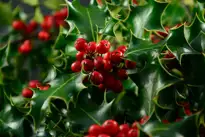
Holly is an evergreen shrub or tree, known for its glossy, prickly leaves and red berries, which adorn the garden all year round. It has a long history in garden design and often symbolises the Christmas festivities. Cut branches of holly are often used in decorations and wreaths.
Holly is often used as an ornamental shrub or hedge in gardens because of its decorative foliage and colourful berries. The plant also thrives in pots, which makes it suitable for terraces or balconies.
Holly prefers well-drained soil to avoid waterlogging, but it thrives in both slightly acidic and neutral soil. It is important to keep the soil moist, but it should not be waterlogged. The plant can adapt to different soil types, but a well-drained, moist soil creates optimal growing conditions.
Holly thrives in varying light conditions and can be grown in both full sun and light shade. However, it is best suited to partial shade in areas with intense sun. It can adapt to different light levels and is therefore a versatile plant that can be planted in different gardens and areas with varying exposure to sunlight.
Some of the widespread varieties of holly:
- Ilex aquifolium 'Silver Queen': Silver-variegated foliage and red berries.
- Ilex aquifolium 'Golden van Tol': Gold-edged leaves and glossy foliage.
- Ilex 'Nellie R. Stevens': Fast-growing and upright.
- Ilex aquifolium 'J.C. van Tol': Abundant red berries and compact growth.
- Ilex aquifolium 'Alaska': Dark green leaves and plenty of red berries.
Holly's versatility and many varieties make it a favourite in Danish gardens, where it adds both beauty and a festive atmosphere all year round.
This guide is for guidance only. Landscaping and gardening is not an exact science, and a successful result can be affected by many variables, including (but not limited to): soil conditions, location, watering, temperatures, weather, application of fertiliser and mulch, and much more.