 da
 en


- Frontpage >
- Plant Encyclopedia >
- Honeysuckle
Honeysuckle
- Latin name: Lonicera caprifolium
- Type: Twining plant
- Light conditions: Full sun, partial shade
- Soil conditions: Ordinary, well-drained
- Other: Vulnerable to strong wind
Recommended Products

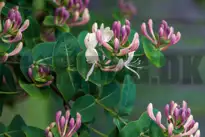
Honeysuckle is a beautiful and fragrant plant that is common in Danish gardens and natural areas. It belongs to the honeysuckle family (Caprifoliaceae) and is known for its fragrant flowers, which bloom during spring and summer.
Honeysuckle thrives best in well-drained soil that is rich in nutrients. It can adapt to different soil types, but prefers a slightly acidic to neutral pH. Good drainage is important to avoid root rot. Organic matter such as compost can enrich the soil and promote the growth of the honeysuckle.
Honeysuckle thrives in full sun or light shade. It can grow and flower abundantly in areas with partial shade, but it is important to give it enough sunlight for the best flowering. The position should take local climate conditions into account, and it is recommended to avoid places with strong wind, as honeysuckle can be vulnerable to it.
Honeysuckle is a versatile plant that can enrich any garden with its charm and fragrant presence. By creating the right conditions for growth and maintenance, you can enjoy the fantastic flowers and scents that honeysuckle brings to the Danish landscape.
Some of the most common species in Denmark:
- Italian honeysuckle (Lonicera caprifolium): One of the most widespread species in Denmark, known for its fragrant flowers in shades of white and pink.
- Common honeysuckle (Lonicera periclymenum): Another common species with flowers in shades of white and yellow. It is known for its ability to grow in woodland and along hedges.
- Japanese honeysuckle (Lonicera japonica): A more exotic species with fast growth and white flowers. It is known for being more vigorous in its growth and can be invasive in some areas.
- Honeysuckle 'Graham Thomas' (Lonicera periclymenum 'Graham Thomas'): A popular garden variety with beautiful creamy-yellow flowers and a long flowering season.
This guide is for guidance only. Landscaping and gardening is not an exact science, and a successful result can be affected by many variables, including (but not limited to): soil conditions, location, watering, temperatures, weather, application of fertiliser and mulch, and much more.