 da
 en


- Frontpage >
- Plant Encyclopedia >
- Hydrangea
Hydrangea
- Latin name: Hydrangea
- Type: Shrub
- Light conditions: Partial shade, sun
- Soil conditions: Ordinary, low in lime, well-drained, (acidic)
- Other: -
Recommended Products

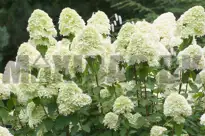
Hydrangea is a beautiful and popular flowering plant that enriches Danish gardens with its colourful flower heads. It is a deciduous shrub known for its large, showy flower heads, which vary in colour depending on the acidity of the soil. Hydrangeas come in various varieties, and each has its own unique flowers and colours.
Hydrangea thrives best in partial shade or areas with morning or afternoon sun. Overexposure to direct sunlight can lead to wilting flowers and reduced plant health. Avoid strong midday sun.
Hydrangea prefers well-drained soil that is rich in organic matter. A slightly acidic soil with a pH value between 5.5 and 6.5 is ideal for hydrangea, as this helps maintain the distinctive colours of its flowers. With heavy clay soil, we recommend adding our sandy soil to create a well-drained soil.
Hydrangea is not strictly an acid-loving plant, but it thrives best in slightly acidic soil. To keep a hydrangea healthy and flowering, it is a good idea to add compost or ericaceous fertiliser when planting. Our ericaceous peat can also be recommended to ensure optimal growth and health. Watering needs vary, but it is important to keep the soil evenly moist, especially in dry periods. Hydrangea is a versatile plant that can add colour and elegance to any garden. With the right care and attention to light and soil conditions, hydrangea will thrive and delight the garden with its magnificent flower heads year after year.
Hydrangeas come in many forms, as shrubs, tree-like or climbing plants, including:
Hydrangea anomala - Hydrangea anomala subsp. petiolaris - Hydrangea arborescens - Hydrangea arborescens subsp. radiata - Hydrangea aspera - Hydrangea macrophylla - Hydrangea paniculata - Hydrangea quercifolia - Hydrangea bretschneideri - Hydrangea chinensis - Hydrangea chungii - Hydrangea cinerea - Hydrangea davidii - Hydrangea dumicola - Hydrangea heteromalla - Hydrangea hirta - Hydrangea integrifolia - Hydrangea involucrata - Hydrangea kwangsiensis - Hydrangea liukiuensis - Hydrangea longipes - Hydrangea luteovenosa - Hydrangea petiolaris - Hydrangea radiata - Hydrangea robusta - Hydrangea sargentiana - Hydrangea scandens - Hydrangea seemannii - Hydrangea serrata - Hydrangea serratifolia - Hydrangea strigosa - Hydrangea stylosa - Hydrangea xanthoneura
This guide is for guidance only. Landscaping and gardening is not an exact science, and a successful result can be affected by many variables, including (but not limited to): soil conditions, location, watering, temperatures, weather, application of fertiliser and mulch, and much more.