 da
 en


- Frontpage >
- Plant Encyclopedia >
- Indian Bean Tree (Catalpa)
Indian Bean Tree (Catalpa)
- Latin name: Catalpa
- Type: Tree
- Light conditions: Sun
- Soil conditions: Ordinary, well-drained, adaptable
- Other: -
Recommended Products

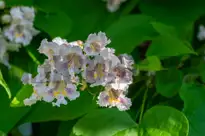
The Indian bean tree (catalpa) is an impressive and exotic deciduous tree species that adds a tropical atmosphere to Danish landscapes. With its large, trumpet-shaped flowers and large, heart-shaped leaves, the catalpa is an eye-catching feature in gardens and parks. To ensure optimal growth, it is essential to understand the right soil and light conditions.
The catalpa thrives best in good-quality, well-drained soil. It prefers a slightly acidic to neutral pH value and can be grown in different soil types, including clay, sand or loam. Good drainage is essential to avoid waterlogging, which can damage the tree's roots. It is also important to give the catalpa enough water, especially in dry periods, to support healthy growth.
When it comes to light conditions, the catalpa is a sun-loving plant. It thrives best in areas with full sun, where it gets at least six hours of direct sunlight a day. This makes the catalpa well suited to open gardens and sunny positions, where it can spread out and show off its spectacular flowers. However, the tree also has some tolerance of light shade, so it can also thrive in areas with filtered sunlight.
Some catalpa species:
- Catalpa bignonioides (Southern catalpa): A popular species with large, heart-shaped leaves and bell-shaped white flowers in clusters.
- Catalpa ovata (Chinese catalpa): Characterised by its lobed leaves and cream-coloured flowers.
- Catalpa speciosa (Northern catalpa): A North American species with large, heart-shaped leaves and white flowers with yellow and purple spots.
- Catalpa x erubescens 'Purpurea' (Purple catalpa): A variety with dark purple young leaves.
- Catalpa bignonioides 'Aurea' (Golden catalpa): Characterised by its bright golden foliage and white flowers.
The catalpa is not only an ornamental plant – its large and decorative flowers also make it an attractive addition to Danish gardens. By creating the right growing conditions, the catalpa can thrive and create an impressive and exotic atmosphere in the landscape.
This guide is for guidance only. Landscaping and gardening is not an exact science, and a successful result can be affected by many variables, including (but not limited to): soil conditions, location, watering, temperatures, weather, application of fertiliser and mulch, and much more.