 da
 en


- Frontpage >
- Plant Encyclopedia >
- Ivy
Ivy
- Latin name: Hedera
- Type: Ground cover, climbing plant
- Light conditions: Shade, partial shade, full sun (adaptable)
- Soil conditions: Ordinary garden soil (but adaptable)
- Other: Evergreen. Very adaptable, but thrives best in well-drained, moist soil
Recommended Products

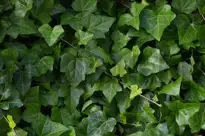
Ivy is a versatile, evergreen plant that adds beauty and structure to Danish gardens with its climbing or ground-covering growth.
Ivy thrives in a wide range of soil types, but prefers well-drained, moist soil. It can adapt to both acidic and slightly alkaline pH. Ivy is also known to grow well in shady areas, which makes it suitable for places where other plants may struggle to thrive. Adding compost or organic matter when planting improves the soil's nutrient content.
Ivy is known to thrive in shade, but it can also cope with full sun or partial shade. A versatile plant, ivy can be used as ground cover under trees or as a climbing plant along walls, fences or buildings. It is worth bearing in mind that some varieties tend to become greener and thrive better in shady areas, while others may develop more colourful leaves in sunnier areas.
Ivy is not only a decorative plant – its ability to adapt to different conditions makes it a reliable and popular addition to Danish gardens.
5 common types in Danish gardens:
-
Common ivy (Hedera helix): The most widespread species, with dark green leaves, which develops a climbing or ground-covering growth habit.
-
Persian ivy (Hedera colchica): A species known for its fast growth and large, dark green leaves.
-
Variegated ivy (Hedera helix 'Goldheart'): A variety with heart-shaped green leaves with yellow variegation that adds colour to the garden.
-
Irish ivy (Hedera hibernica): A species with large, light green leaves and a climbing growth habit, ideal for covering larger areas.
-
Ivy 'Thorndale' (Hedera helix 'Thorndale'): A variety known for its small, dark green leaves and compact growth habit.
This guide is for guidance only. Landscaping and gardening is not an exact science, and a successful result can be affected by many variables, including (but not limited to): soil conditions, location, watering, temperatures, weather, application of fertiliser and mulch, and much more.