 da
 en


- Frontpage >
- Plant Encyclopedia >
- Japanese Maple
Japanese Maple
- Latin name: Acer palmatum
- Type: Tree, shrub
- Light conditions: Partial shade, full sun
- Soil conditions: Ordinary, well-drained, can thrive in acidic soil
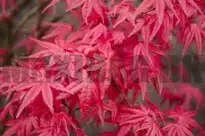
- Other: An incredibly beautiful tree with orange to deep red autumn foliage
Recommended Products

Japanese maple is a beautiful and popular plant in Danish garden design. This deciduous shrub or small tree is known for its beautiful palmate leaves and colourful autumn shades, which make it an attractive feature in gardens.
Japanese maple is ideal as an ornamental plant in gardens and garden spaces. It adds structure and colour, and its delicate, finely divided leaves create an elegant look. It can be grown as a single specimen, in groups or as part of a Japanese-inspired garden.
It prefers well-drained soil to avoid root problems. If the plant's other requirements for drainage, light and nutrients are met, Japanese maple can also thrive in the ericaceous bed. Add our soil conditioner which can help improve the soil structure and provide extra nutrients for the plant. Keep the soil evenly moist, but avoid waterlogging.
It thrives best in partial shade to full sun. Protect it from intense afternoon sun, especially in the hot summer months. Young plants tolerate more shade, while older plants can handle more sun. Place it in an area sheltered from strong wind. Adjust the position according to the desired leaf colour intensity and autumn effects.
Widespread species in Danish gardens:
- Acer palmatum 'Bloodgood': Dark red leaves in summer, deep red autumn foliage.
- Acer palmatum 'Dissectum Atropurpureum': Finely cut, dark purple leaves.
- Acer palmatum 'Sango Kaku': Coral-red branches in winter, green foliage in summer.
- Acer palmatum 'Osakazuki': Strong, reddish autumn colour.
- Acer palmatum 'Katsura': Fresh green colour in summer, golden-orange autumn foliage.
These varieties of Japanese maple add variety, colour and structure to Danish gardens and suit different garden spaces and design styles.
This guide is for guidance only. Landscaping and gardening is not an exact science, and a successful result can be affected by many variables, including (but not limited to): soil conditions, location, watering, temperatures, weather, application of fertiliser and mulch, and much more.