 da
 en


- Frontpage >
- Plant Encyclopedia >
- Jasmine
Jasmine
- Latin name: Jasminum
- Type: Shrub
- Light conditions: Sun, partial shade
- Soil conditions: Ordinary, well-drained, moist
- Other: Enchanting fragrance
Recommended Products

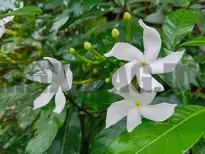
Jasmine is a beautiful and fragrant shrub that adds elegance to any garden. It is known for its wonderfully aromatic flowers and is popular in garden design because of its delicate appearance and pleasant scent.
Jasmine is ideal for creating romance and atmosphere in the garden. The plant can be used as a climber along fences or pergolas, creating an enchanting tunnel of fragrant flowers. It is also well suited as a shrub or in pots on the terrace.
Jasmine thrives best in well-drained soil with a slightly acidic to neutral pH value. Make sure the soil is moist but not waterlogged, especially during the growing season. Add organic matter such as compost to improve the soil structure.
Avoid heavy clay soil, as it can lead to root damage. Covering the soil around the plant helps retain moisture and suppress weeds, e.g. with wood chips or bark mulch.
Jasmine thrives in full sun to light shade. The plant can tolerate a certain amount of shade, but flowering may be more abundant in sunny surroundings. Protect it from strong afternoon sun, especially in the hot summer months. Place it in an area with good air circulation to prevent disease. Adjust the position according to the seasonal light conditions.
Some widespread species in Danish gardens:
- Jasminum officinale (Common jasmine): Fragrant white flowers; climbs up supports.
- Jasminum nudiflorum (Winter jasmine): Yellow flowers in winter; green shoots in winter.
- Jasminum polyanthum (Pink jasmine): Intensely fragrant flower clusters; suitable as an indoor plant.
- Jasminum mesnyi (Primrose jasmine): A yellow-flowering shrub; thrives in sunny areas.
- Jasminum x stephanense: Pink flowers; abundant flowering in the summer months.
These jasmine species bring different colours and scents to Danish gardens and enrich the garden experience with their unique characteristics.
This guide is for guidance only. Landscaping and gardening is not an exact science, and a successful result can be affected by many variables, including (but not limited to): soil conditions, location, watering, temperatures, weather, application of fertiliser and mulch, and much more.