 da
 en


- Frontpage >
- Plant Encyclopedia >
- Lavender
Lavender
- Latin name: Lavandula
- Type: Subshrub (perennial/shrub)
- Light conditions: Full sun
- Soil conditions: Ordinary, well-drained
- Other: -
Recommended Products
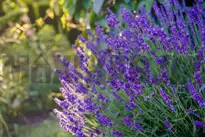
Lavender is a popular and fragrant plant that adorns Danish gardens with its sweet-smelling flowers and distinctive grey-green leaves. This evergreen subshrub is not only an aesthetic feature – its aromatic qualities also make it popular as a herb, in potpourri or as a fragrant decoration.
Lavender thrives best in well-drained soil with a slightly acidic to neutral pH value. The soil texture can vary, but good drainage is essential to prevent waterlogging, which can damage the lavender's roots. This plant is known to cope with stony or sandy soils and can thrive in dry conditions. Lavender can be grown in gardens, in pots or as part of lavender beds.
When it comes to light conditions, lavender is a sun-loving plant. It thrives best in areas with full sun and needs at least six hours of direct sunlight a day. Its position in the garden should therefore be chosen carefully to make sure the lavender gets enough light for optimal growth and flowering. This makes lavender well suited to growing along paths, in beds or in sunny corners of the garden.
Lavender is not only a beautiful and fragrant plant – its versatility also makes it a valued part of Danish gardens. With the right growing conditions, lavender can flower abundantly and add both beauty and fragrance to the garden.
Here is a list of 10 of the most widespread types of lavender in Denmark:
- Lavandula angustifolia (English lavender): The most common species, with narrow grey-green leaves and blue-purple flowers.
- Lavandula stoechas (French lavender): Characterised by its upright flower heads with 'rabbit ears' and violet flowers.
- Lavandula x intermedia 'Grosso' (Grosso lavender): A hybrid with long, full spikes and intense purple flowers.
- Lavandula dentata (Fringed lavender): With toothed leaves and light blue flowers.
- Lavandula x intermedia 'Provence' (Provence lavender): A large-growing hybrid with grey-green leaves and purple flowers.
- Lavandula x intermedia 'Hidcote Giant' (Hidcote Giant lavender): A large-growing variety with intense purple flowers.
- Lavandula x intermedia 'Alba' (White lavender): A variety with white flower spikes.
- Lavandula x intermedia 'Fred Boutin' (Fred Boutin lavender): Characterised by its compact spikes and purple flowers.
- Lavandula x intermedia 'Edelweiss' (Edelweiss lavender): With white flowers and grey-green leaves.
- Lavandula x intermedia 'Abrialii' (Abrialii lavender): A shorter variety with violet flower spikes.
This guide is for guidance only. Landscaping and gardening is not an exact science, and a successful result can be affected by many variables, including (but not limited to): soil conditions, location, watering, temperatures, weather, application of fertiliser and mulch, and much more.