 da
 en


- Frontpage >
- Plant Encyclopedia >
- Lupin
Lupin
- Latin name: Lupinus
- Type: Perennial
- Light conditions: Sun
- Soil conditions: Ordinary, sandy, well-drained
- Other: Invasive, although tree lupin (Lupinus chamissonis) is not an invasive species
Recommended Products

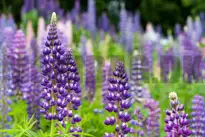
The lupin is a beautiful and colourful plant belonging to the pea family. This perennial is known for its impressive flower spikes and distinctive palmate leaves.
Lupins generally prefer well-drained, light and sandy soil. However, they can also grow in clay soil, as long as water does not stagnate, which can lead to root rot. A pH value between 6 and 7 is ideal for lupins, and it is beneficial to add organic matter to the soil to improve its structure.
Lupins love sunny places. They thrive best in full sun, but can also cope with light shade. However, for abundant flowering and healthy plants, it is recommended to plant them somewhere they get at least 6-8 hours of direct sunlight a day.
Lupins are known for their tall, slender flower spikes, which come in various colours such as purple, blue, pink, white and yellow. They usually flower in summer, and the plant attracts butterflies and bees, which makes it ideal for insect-friendly gardens.
With proper care, lupins can be an ornamental plant in any garden. Their colourful flowers and easy maintenance make them a popular favourite among gardening enthusiasts who want to add a touch of beauty and lightness to their outdoor space.
This guide is for guidance only. Landscaping and gardening is not an exact science, and a successful result can be affected by many variables, including (but not limited to): soil conditions, location, watering, temperatures, weather, application of fertiliser and mulch, and much more.