 da
 en


- Frontpage >
- Plant Encyclopedia >
- Marsh Orchid
Marsh Orchid
- Latin name: Dactylorhiza
- Type: Orchid
- Light conditions: Partial shade, sun
- Soil conditions: Ordinary, well-drained
- Other: -
Recommended Products

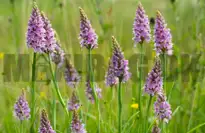
Marsh orchid is a beautiful and colourful orchid that enriches any garden with its unique beauty. The plant is characterised by its distinctive flower spikes and its range of colours, from pink to deep purple. In garden design, marsh orchid adds a natural, wild touch and thrives in both wild-style and more structured gardens.
Marsh orchid prefers well-drained soil that is slightly acidic to neutral. It thrives in moist soil, but it is important to avoid waterlogging. Enrich the soil with compost or other organic matter to ensure optimal growth. Here you can benefit from adding our soil conditioner, which can help improve the soil structure and provide extra nutrients for the plant.
Marsh orchid thrives best in partial shade to full sun. It can grow under trees or other places with filtered sunlight. However, it should not stand in direct sun during the hottest parts of the day, as this can cause it to dry out.
Some marsh orchid species:
- Dactylorhiza majalis (Broad-leaved marsh orchid): A species with distinctive purple-blue flowers that thrives in woodland areas. The broad-leaved marsh orchid is one of our most common wild orchids in Denmark, but it is in decline and fully protected. It must not be dug up, collected or picked.
- Dactylorhiza maculata (Heath spotted orchid): Known for its spotted leaves and colourful flowers in shades of pink and purple.
- Dactylorhiza fuchsii (Common spotted orchid): A small species with pink flowers that thrives in a wide range of habitats.
- Dactylorhiza incarnata (Early marsh orchid): With its beautiful pink to red flowers, this species is ideal for moist areas and water gardens.
- Dactylorhiza purpurella (Northern marsh orchid): A compact species with dark purple flowers and dense flower spikes that adds colour to any garden.
This guide is for guidance only. Landscaping and gardening is not an exact science, and a successful result can be affected by many variables, including (but not limited to): soil conditions, location, watering, temperatures, weather, application of fertiliser and mulch, and much more.