 da
 en


- Frontpage >
- Plant Encyclopedia >
- Meadowsweet
Meadowsweet
- Latin name: Filipendula
- Type: Perennial
- Light conditions: Partial shade, sun
- Soil conditions: Ordinary, well-drained (adaptable), thrives in moist soil
- Other: -
Recommended Products
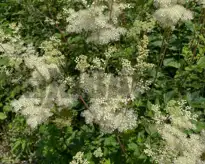
Meadowsweet is a beautiful perennial belonging to the rose family. It is known for its lush flower clusters. Meadowsweet's impressive flowers and easy maintenance make it a popular perennial in Danish gardens. With careful positioning and by meeting its soil and light requirements, you can enjoy the beauty of meadowsweet in various parts of the garden.
Meadowsweet thrives best in well-drained, moist soil with a good amount of organic matter. It prefers a neutral to slightly acidic pH value. Meadowsweet is generally not demanding when it comes to soil type and can grow in anything from clay soil to sandy soil. Adding compost when planting can help improve the soil structure and add necessary nutrients. As meadowsweet is often found by streams and in moist areas, it is a plant that can thrive in moist soil.
Meadowsweet prefers to grow in areas with partial shade to full sun. It can tolerate light shade, but for the lushest flowering and best growth it is best to give it at least 4-6 hours of direct sunlight a day. Meadowsweet can be grown in gardens, by streams or in rain gardens, where it has the opportunity to thrive as in its natural habitats.
Some of the well-known species in Denmark:
- Meadowsweet (Filipendula ulmaria): The common meadowsweet with white flower clusters and a distinctive scent. 50-100 cm tall, grows naturally in Denmark in bogs and meadows.
- Giant meadowsweet (Filipendula kamtschatica): A tall species with large white to pinkish flower clusters.
- Purple meadowsweet (Filipendula purpurea): A type with purple-red flowers and deeply cut leaves.
- Japanese meadowsweet (Filipendula japonica): A species with dense, pink-flowering clusters and upright growth.
This guide is for guidance only. Landscaping and gardening is not an exact science, and a successful result can be affected by many variables, including (but not limited to): soil conditions, location, watering, temperatures, weather, application of fertiliser and mulch, and much more.