 da
 en


- Frontpage >
- Plant Encyclopedia >
- Mukdenia
Mukdenia
- Latin name: Aceriphyllum rossii
- Type: Perennial, ground cover
- Light conditions: Partial shade, shade
- Soil conditions: Ordinary, moist but well-drained garden soil
- Other: Adaptable
Recommended Products
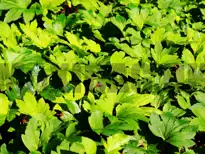
Mukdenia is a charming perennial that adds a unique character to any garden. This plant is known for its beautifully shaped leaves and is a popular choice among gardening enthusiasts because of its beauty and relatively simple maintenance.
Mukdenia thrives best in well-drained, moist soil. It prefers an acidic to slightly acidic soil pH, but can adapt to slightly alkaline soil. Adding organic matter, such as compost, can be beneficial to improve the soil structure and retain moisture. It is important to avoid standing water, as this can lead to root rot.
Mukdenia thrives in partial shade to full shade. It is often found in woodland areas, where it enjoys filtered light. However, the plant can also be grown in sunnier spots, as long as it gets enough moisture and is not exposed to intense midday sun. A good compromise is to place it somewhere it gets morning or afternoon sun.
Here you can see a list of some varieties of Aceriphyllum rossii:
-
Aceriphyllum rossii 'Green Forest': This variety has beautiful green leaves and is known for its robustness and ability to thrive in woodland-like conditions.
-
Aceriphyllum rossii 'Red Glow': A variety with a reddish tint to the leaves, especially in spring and autumn, which adds an extra dimension of colour.
-
Aceriphyllum rossii 'Blue Shade': Known for its bluish-green leaves, which add a cool and calming atmosphere to the garden.
-
Aceriphyllum rossii 'Silver Edge': A variety with silver-coloured edges on the leaves, giving a contrasting and eye-catching effect.
-
Aceriphyllum rossii 'Golden Rain': This variety has golden hues in the leaves and brings warmth and glow to the garden.
By choosing the right variety of Mukdenia and giving it suitable soil and light conditions, you can create a beautiful and harmonious garden with this fascinating perennial.
This guide is for guidance only. Landscaping and gardening is not an exact science, and a successful result can be affected by many variables, including (but not limited to): soil conditions, location, watering, temperatures, weather, application of fertiliser and mulch, and much more.