 da
 en


- Frontpage >
- Plant Encyclopedia >
- Pansy
Pansy
- Latin name: Viola tricolor
- Type: Flower
- Light conditions: Partial shade, shade
- Soil conditions: Ordinary, well-drained, moist
- Other: -
Recommended Products

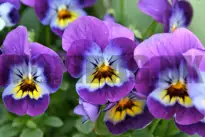
The pansy (wild pansy) is a graceful and colourful flower that is common in Danish gardens, meadows and woods. This small plant is known for its distinctive three-coloured flowers and heart-shaped leaves, and it has been a symbol of grace and innocence throughout history. To ensure optimal growth and flowering, it is important to take the right soil and light conditions into account.
The pansy thrives in well-drained, moist soil of moderate fertility. It is relatively versatile in terms of soil type and can grow in clay soil, sandy soil or ordinary garden soil. However, the soil should not be too compact, as good drainage is important to avoid standing water, which can damage the plant's roots. The pansy prefers a slightly acidic to neutral pH value.
When it comes to light conditions, the pansy is a shade-tolerant plant. It thrives in areas with partial shade or even full shade. This makes it suitable for growing under trees, along shady beds or on the woodland floor. However, the pansy can also cope in sunnier areas, especially in spring, when the trees are not yet in full leaf.
Some viola species:
- Viola tricolor (Wild pansy): The most widespread species, with distinctive purple, yellow and white flowers.
- Viola arvensis (Field pansy): With small, pale yellowish-white flowers.
- Viola riviniana (Common dog-violet): Characterised by its pale purple flowers.
- Viola odorata (Sweet violet): With purple flowers and a pleasant scent.
- Viola hirta (Hairy violet): Characterised by its violet flowers and hairy leaves.
- Viola palustris (Marsh violet): Thrives in moist areas, with pale lilac flowers.
- Viola lutea (Mountain pansy): With bright yellow flowers, often found in grassland.
- Viola canadensis (Canadian white violet): With white flowers and heart-shaped leaves.
The pansy is a much-loved part of the Danish flora and brings colour and charm to both natural areas and gardens. It is not only decorative – its hardiness and adaptability also make it a valued plant in many different environments.
This guide is for guidance only. Landscaping and gardening is not an exact science, and a successful result can be affected by many variables, including (but not limited to): soil conditions, location, watering, temperatures, weather, application of fertiliser and mulch, and much more.