 da
 en


- Frontpage >
- Plant Encyclopedia >
- Perennial Bed
Perennial Bed
- Type: Perennial bed
- Light conditions: A combination of sun, partial sun and shade depending on the choice of perennials
- Soil conditions: Ordinary topsoil / planting soil
- Other: Add organic soil conditioner; with clay soils, mix in sand for better drainage
Recommended Products
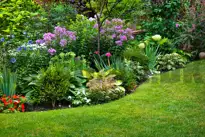
Creating a beautiful perennial bed requires careful planning and the choice of suitable perennials that thrive in the given soil and light conditions. First and foremost, it is important to choose a suitable location for the perennial bed, where it gets the right amount of sunlight during the day.
Light conditions:
Perennials love sun, so choose a position where the perennial bed gets at least 6 hours of direct sunlight a day. However, some perennials can also thrive in partial shade, so it is a good idea to combine sunny and shady areas to create variety.
Soil:
The ideal soil for the perennial bed is well-drained and humus-rich. You can improve the soil structure by adding compost or composted bark. Perennials thrive best in soil with a slightly acidic to neutral pH value. Avoid heavy, compacted soil, as it can lead to poor drainage, waterlogging and root rot. If you are creating a new perennial bed, we recommend our planting soil or alternatively our topsoil, which can be used anywhere in the garden. You can give the plants in your perennial bed optimal growing conditions by adding our soil conditioner. This will add organic nutrients that are absorbed slowly and naturally, at the pace the plants need.
Remember to plan the bed with height, colours and flowering times in mind to create a harmonious and varied look in your garden. Water regularly and remove faded flowers to encourage new growth. A well-planned perennial bed will give joy and colour in the garden for many seasons.
Example of 8 common perennials for a Danish perennial bed:
- Cranesbill (Geranium) - Thrives in sun and light shade. Flowers in different colours and is hardy.
- Phlox (Phlox paniculata) - Needs full sun. Has colourful flower heads and flowers in summer.
- Asters (Aster novi-belgii) - Sunny position. Produces colourful, star-shaped flowers in autumn.
- Hosta (Hosta spp.) - Prefers partial shade. Decorative leaves in different colours and flowers in the summer months.
- Catmint (Nepeta faassenii) - Thrives in full sun. Gives off a pleasant scent and attracts butterflies.
- Saxifrage (Saxifraga) - Sunny position. Low-growing and suitable for rock gardens, with small colourful flowers.
- Delphinium (Delphinium) - Sunny position. Tall flower spikes in intense colours.
- Astilbe (Astilbe spp.) - Partial shade. Flowers in bright colours and thrives in moist soil.
This guide is for guidance only. Landscaping and gardening is not an exact science, and a successful result can be affected by many variables, including (but not limited to): soil conditions, location, watering, temperatures, weather, application of fertiliser and mulch, and much more.