 da
 en


- Frontpage >
- Plant Encyclopedia >
- Plum (fruit tree)
Plum (fruit tree)
- Latin name: Prunus
- Type: Fruit tree
- Light conditions: Full sun
- Soil conditions: Ordinary, well-drained, nutrient-rich
- Other: Edible fruit
Recommended Products

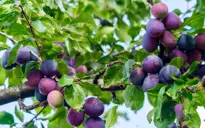
The plum tree is a valued fruit tree that brings beautiful flowers and delicious, edible plums to gardens and orchards. This tree is a popular addition to both ornamental gardens and larger gardens, and it comes in various varieties with fruits of different flavours and colours.
The plum tree thrives best in good-quality, well-drained, nutrient-rich soil. It prefers a neutral to slightly acidic soil pH. It is essential to avoid standing water, as the plum tree does not tolerate waterlogged conditions, which can lead to root rot. Adding compost or organic matter when planting can improve the soil structure and provide important nutrients for the tree.
The plum tree thrives in full sun. It needs at least six hours of direct sunlight a day to ensure healthy growth and optimal fruit production. The position of the tree should therefore be chosen carefully to maximise sunlight. Avoid shady areas, as this can affect flowering and fruit quality. A sunny position also helps the plums ripen and intensifies their flavour.
Plum trees are not only a delight to the eye in the garden with their spring flowers, they also provide tasty and versatile fruit for the kitchen. With the right soil and light conditions, the plum tree can thrive and give a rich harvest of delicious plums.
List of some popular plum tree varieties in Denmark:
- Prunus domestica 'Ive': a variety of European plum known for its large, sweet plums. The fruits are deep purple and suitable both for eating fresh and for various kinds of preserving. The tree is generally hardy and produces abundant harvests.
- Prunus domestica 'Opal': is a popular variety of European plum with juicy, dark blue fruits. The fruits have a sweet taste and are good both for eating fresh and for making jam. The tree is known for its reliable yield and hardiness.
- Prunus domestica 'Hanita': is a variety of European plum known for its large, juicy plums. The fruits are purple to dark blue and have a pleasant sweet taste. The tree is known for its resistance to disease and pests.
- Prunus domestica 'Late Orange': The Latin name of this variety may vary depending on the specific subspecies. It is known for its large, juicy plums, which ripen late in the season. The fruits are orange and have a sweet taste.
- Prunus domestica 'Victoria': Victoria is a classic variety of European plum with medium to large, reddish plums. The fruits are sweet and juicy and are good both for eating fresh and for making jam. The tree is known for its reliable production of high yields.
Each of these varieties has its own unique qualities, including the flavour, colour and ripening time of the fruit. The choice of plum variety often depends on personal preferences and local growing conditions.
This guide is for guidance only. Landscaping and gardening is not an exact science, and a successful result can be affected by many variables, including (but not limited to): soil conditions, location, watering, temperatures, weather, application of fertiliser and mulch, and much more.