 da
 en


- Frontpage >
- Plant Encyclopedia >
- Quaking Grass
Quaking Grass
- Latin name: Briza
- Type: Ornamental grass
- Light conditions: Sun, light shade
- Soil conditions: Ordinary, well-drained
- Other: -
Recommended Products

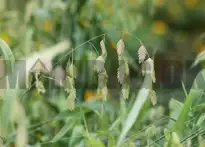
Quaking grass is a beautiful grass that adorns gardens with its fine, heart-shaped spikelets. This delicate plant adds elegance to garden design with its swaying movement in the wind. Quaking grass is ideal for creating light and airy compositions both in perennial beds and as an edging plant along paths.
When it comes to soil conditions, quaking grass thrives best in well-drained, slightly moist soil. It prefers a neutral to slightly acidic pH value. To maintain healthy growth, you should add compost or organic matter to the soil.
As for light conditions, quaking grass loves sunny areas, but it can also thrive in light shade. It is important to make sure the plant gets enough light to keep its fine structure and beauty.
Some of the most widespread species of quaking grass in Danish gardens:
- Briza media: The most common species, known for its heart-shaped spikelets.
- Briza maxima: A larger variety with impressive flower heads.
- Briza minor: A smaller species with finely textured spikelets.
- Briza pendula: Characterised by its hanging spikelets, which add movement to the garden.
These varieties offer different sizes and shapes, which makes quaking grass versatile in garden design.
This guide is for guidance only. Landscaping and gardening is not an exact science, and a successful result can be affected by many variables, including (but not limited to): soil conditions, location, watering, temperatures, weather, application of fertiliser and mulch, and much more.