 da
 en


- Frontpage >
- Plant Encyclopedia >
- Rowan
Rowan
- Latin name: Sorbus
- Type: Tree, ornamental shrub
- Light conditions: Full sun, partial shade
- Soil conditions: Ordinary, well-drained, possibly slightly acidic
- Other: Adaptable
Recommended Products

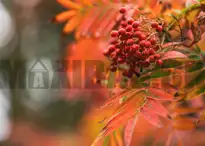
Rowan, including Japanese rowan, is a beautiful and versatile plant often used in garden design. The plant is known for its decorative berries, which vary in colour from red and orange to yellow, depending on the species.
Rowan is popular in gardens because of its attractive berries, which add colour and interest for much of the year. It is often used as an ornamental shrub, hedge or specimen plant, and its compact growth makes it suitable for smaller gardens.
Rowan prefers well-drained soil to avoid waterlogging. Slightly acidic soil is ideal for optimal growth. It tolerates a wide range of soil types, but thrives best in nutrient-rich soil. Add organic matter such as compost when planting to improve the soil structure. Covering the soil around the plant helps retain moisture and suppress weeds, for example with wood chips or bark mulch.
Rowan thrives best in full sun to light shade. It tolerates partial shade, but the berry colours can be more intense in full sun. Protect it from strong winds to avoid dry leaves and damage. Plant it in areas with moderate air circulation to reduce the risk of disease. Consider a position near windows or terraces to enjoy the sight of the colourful berries.
Widespread species in Danish gardens:
- Sorbus aucuparia (Common rowan): Small white flowers and red berries; attracts birds.
- Sorbus 'Dodong' (Dodong rowan): A variety with orange-red berries and beautiful autumn colours.
- Sorbus cashmiriana (Kashmir rowan): Delicate pale pink flowers and white berries.
- Sorbus commixta (Japanese rowan): Red berries and beautiful autumn colours.
- Sorbus vilmorinii (Vilmorin's rowan): White flowers and small, pearl-like berries that turn from pink to white.
These rowan species are well known for their beauty and adaptability in Danish gardens, and they add variety and interest to any garden design.
This guide is for guidance only. Landscaping and gardening is not an exact science, and a successful result can be affected by many variables, including (but not limited to): soil conditions, location, watering, temperatures, weather, application of fertiliser and mulch, and much more.