 da
 en


- Frontpage >
- Plant Encyclopedia >
- Tulip Tree
Tulip Tree
- Latin name: Liriodendron
- Type: Tree
- Light conditions: Full sun
- Soil conditions: Ordinary, well-drained (but adaptable)
- Other: -
Recommended Products

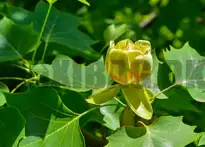
The tulip tree is an impressive and decorative deciduous tree species that enriches the Danish landscape with its majestic growth and distinctive flowers. This tree, also called tulip poplar, attracts attention with its large, tulip-like flowers and beautiful, strongly lobed leaves.
The tulip tree prefers good-quality, well-drained soil. It is relatively adaptable and can be grown in different soil types, including clay, sand or loam. A neutral to slightly acidic pH value is ideal for the tree's growth. It is important to avoid places with poor drainage, as the tulip tree does not thrive in waterlogged conditions. The soil moisture should be moderate to support healthy growth.
When it comes to light conditions, the tulip tree is a sun-loving plant. It thrives best in areas with full sun, where it gets at least six hours of direct sunlight a day. This makes it suitable for open gardens, parks or larger landscape areas, where it can reach for the sky and achieve optimal photosynthesis.
The tulip tree is a fantastic addition to Danish landscapes with its impressive dimensions and attractive flowers. Its adaptability and character make it a unique feature in many gardens and parks around the country.
Here is a list of some of the most widespread tulip trees in Denmark:
- Liriodendron tulipifera (American tulip tree): With distinctive yellow-green flowers and strongly lobed leaves.
- Liriodendron chinense (Chinese tulip tree): A closely related species with beautiful green flowers.
- Liquidambar styraciflua (Sweetgum): Not a tulip tree, but often confused with it. It has star-shaped leaves and beautiful autumn colours.
- Liriodendron tulipifera 'Aureomarginatum': A variety with yellow-edged leaves.
- Liriodendron tulipifera 'Fastigiatum': A columnar variety with upright growth and tulip-like flowers.
This guide is for guidance only. Landscaping and gardening is not an exact science, and a successful result can be affected by many variables, including (but not limited to): soil conditions, location, watering, temperatures, weather, application of fertiliser and mulch, and much more.