 da
 en


- Frontpage >
- Plant Encyclopedia >
- Valerian
Valerian
- Latin name: Valeriana officinalis
- Type: Herb
- Light conditions: Partial shade, sun
- Soil conditions: Ordinary, well-drained, moist
- Other: Perennial, thrives in moist areas/by streams
Recommended Products

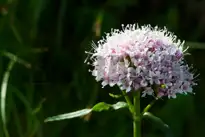
Valerian is a herb that has been used in traditional medicine for centuries because of its calming properties. This perennial is known not only for its medicinal benefits – it also adds natural beauty to Danish surroundings with its distinctive, fragrant flowers.
Valerian thrives best in good-quality, moist, well-drained soil. It prefers a neutral to slightly acidic pH value. The soil texture can vary, but a rich, nutrient-rich soil is preferable. Good drainage is essential to avoid waterlogging, as this can damage the valerian's roots. The plant can be grown in moist areas, such as by streams, but it also adapts to more ordinary garden conditions.
When it comes to light conditions, valerian is a plant that thrives in partial shade to full sun. It can be grown successfully in areas with diffused light or in shady areas, but for optimal flowering and root development it is best to give it at least six hours of direct sunlight a day. This makes valerian suitable for positions along garden edges, at the edge of woodland or in bright corners of the garden.
Here is a list of some valerian species in Denmark:
- Valeriana officinalis (Common valerian): The most common species, known for its white to pink flower clusters and calming properties.
- Valeriana sambucifolia (Elder-leaved valerian): With small white flower clusters and distinctive pinnate leaves.
- Valeriana dioica (Marsh valerian): A species that prefers moist environments, with pink flower clusters.
- Valeriana celtica (Celtic valerian): Characterised by its small yellowish to reddish flowers.
- Valeriana tripteris (Three-leaved valerian): With pink flower clusters and three-lobed leaves.
Valerian's calming properties have made it a valued plant in herbal medicine and in the garden. In addition to its medicinal use, its flowering appearance contributes to the natural beauty of Danish landscapes.
This guide is for guidance only. Landscaping and gardening is not an exact science, and a successful result can be affected by many variables, including (but not limited to): soil conditions, location, watering, temperatures, weather, application of fertiliser and mulch, and much more.