 da
 en


- Frontpage >
- Plant Encyclopedia >
- Verbena
Verbena
- Latin name: Verbena
- Type: Summer flower
- Light conditions: Sun
- Soil conditions: Ordinary, well-drained
- Other: Adaptable when it comes to soil conditions
Recommended Products

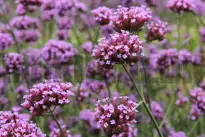
Verbena, also known as vervain, is a colourful and versatile plant that enriches Danish gardens with its dense flower clusters and pleasant scent. This hardy plant is known for its adaptability and ability to thrive in different conditions. To ensure optimal growth, it is important to consider the ideal soil and light conditions for verbena.
Verbena thrives best in good-quality, well-drained soil. It prefers a neutral to slightly acidic pH value and can be grown in different soil types, including clay, sand or loam. Good drainage is essential to prevent waterlogging and root rot. At the same time, verbena enjoys moderate moisture and can adapt to slightly dry conditions. This versatility makes it suitable for borders, beds and pots in Danish gardens.
When it comes to light conditions, verbena is a sun-loving plant. It thrives in areas with full sun and will produce abundant flowers in these conditions. Its position in the garden should therefore be sunny, where it can receive at least six hours of direct sunlight a day. This makes it suitable for flower beds, slopes or terraces, where it can enjoy optimal light.
Verbena's colourful flowers and pleasant scent make it a favourite plant in Danish gardens. Its versatility and adaptability make it suitable for different gardens and planting environments.
Here you will find a list of verbena species:
-
Verbena bonariensis (Purpletop vervain): Characterised by its tall, slender stems and purple flower clusters. Although it is not native to Denmark, it has become popular in gardens because of its slender growth and attractiveness to butterflies and bees.
-
Verbena officinalis (Common vervain): A native species with small purple flowers and distinctive toothed foliage.
-
Verbena rigida (Slender vervain): With intense purple flowers in dense clusters.
-
Verbena hastata (Blue vervain): Characterised by its spikes of purple-blue flowers and lance-shaped leaves.
-
Verbena venosa: With pink to purple flowers and finely cut leaves.
-
Verbena hybrida (Garden verbena): A hybrid in a range of colours, including pink, purple and white.
-
Verbena canadensis (Rose verbena): A low-growing type with small purple flowers in dense clusters.
-
Verbena tenera: With small blue-purple flowers and soft, light green leaves.
-
Verbena peruviana (Peruvian verbena): Characterised by its colourful red to purple flowers.
-
Verbena rigida var. lilacina: With pink to purple flowers and compact growth.
This guide is for guidance only. Landscaping and gardening is not an exact science, and a successful result can be affected by many variables, including (but not limited to): soil conditions, location, watering, temperatures, weather, application of fertiliser and mulch, and much more.