 da
 en


- Frontpage >
- Plant Encyclopedia >
- Viburnum Bodnantense
Viburnum Bodnantense
- Latin name: Viburnum bodnantense
- Type: Ornamental shrub
- Light conditions: Full sun, partial shade
- Soil conditions: Ordinary, well-drained (adaptable)
- Other: Relatively hardy
Recommended Products

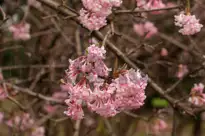
Viburnum bodnantense is a beautiful deciduous shrub that is loved for its fragrant flowers in winter and early spring.
Viburnum bodnantense thrives in well-drained soil with a neutral to slightly acidic pH value. It can adapt to different soil types, but prefers moist, fertile soil. Adding organic matter such as compost when planting can help improve the soil structure and provide the shrub with the nutrients it needs. It is important to avoid waterlogging, as it can lead to root problems.
Viburnum bodnantense thrives in full sun to partial shade. It produces plenty of flowers when exposed to direct sunlight, but can also grow in areas with partial shade. A sunny position will promote the best flowering and autumn colours. The shrub is relatively hardy and tolerates different light conditions, which makes it versatile in the garden.
The shrub's early, fragrant flowers make it a valued addition to gardens, where it brings life to the early spring landscape. By giving it the right soil and light, you can enjoy the shrub's beauty and scent for many years.
Some of the widespread varieties in Denmark:
- Viburnum bodnantense 'Dawn': A popular variety known for its pink, fragrant flowers in winter and early spring.
- Viburnum bodnantense 'Deben': A variety with pale pink to white flowers and an upright growth habit.
- Viburnum bodnantense 'Charles Lamont': A variety with deeper pink flowers and a bushier growth habit.
- Viburnum bodnantense 'Pink Beauty': A variety with pink flowers and a compact growth pattern.
- Viburnum bodnantense 'Dawn Pink': A variety with pink flowers and a mild scent that flowers early in the year.
This guide is for guidance only. Landscaping and gardening is not an exact science, and a successful result can be affected by many variables, including (but not limited to): soil conditions, location, watering, temperatures, weather, application of fertiliser and mulch, and much more.