 da
 en


- Frontpage >
- Plant Encyclopedia >
- Wood Anemone
Wood Anemone
- Latin name: Anemone nemorosa
- Type: Perennial, herb
- Light conditions: Shade, partial shade
- Soil conditions: Ordinary, well-drained, moist
- Other: -
Recommended Products
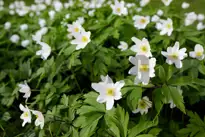
The wood anemone is a beautiful and graceful perennial that most people know from the woodland floor, where it lights up Danish forests like a white carpet in spring. The anemone is also found in gardens, where, with its distinctive white flowers and delicate leaves, it is a welcome sign of the arrival of spring.
Anemones thrive best in well-drained, moist soil. They are often found on the woodland floor, where the soil is rich in organic matter and has a neutral to slightly acidic pH value. It is important to avoid waterlogged conditions, as this can lead to root rot. Adding compost or fallen leaves can help improve the soil structure and retain moisture, which is ideal for anemones.
Anemones thrive in partial shade to full shade. They prefer to grow under trees or in areas where they receive filtered sunlight. Their natural habitat on the woodland floor makes them well suited to shady gardens. In the garden, they can also thrive in areas with morning or afternoon sun, as long as they are not exposed to intense midday sun.
List of anemone species in Denmark:
-
Anemone nemorosa (Wood anemone): The most common species in Denmark, known for its white flowers and spring flowering.
-
Anemone sylvestris (Snowdrop anemone): A species with large white flowers and deeply cut leaves, which also thrives in Danish gardens.
-
Anemone ranunculoides (Yellow anemone): Known for its pale yellow flowers and early spring flowering.
-
Anemone blanda (Winter windflower): A species with mixed colours, including blue, pink and white, which creates a colourful carpet in spring.
-
Anemone hupehensis (Japanese anemone): A late-flowering species with pink or white flowers that adds colour to late summer.
The anemone is a valued plant in Denmark, and its natural beauty makes it a popular choice for gardening enthusiasts who want to add a touch of spring to their outdoor space.
This guide is for guidance only. Landscaping and gardening is not an exact science, and a successful result can be affected by many variables, including (but not limited to): soil conditions, location, watering, temperatures, weather, application of fertiliser and mulch, and much more.