 da
 en


- Frontpage >
- Plant Encyclopedia >
- Zinnia
Zinnia
- Latin name: Zinnia
- Type: Flower
- Light conditions: Sun
- Soil conditions: Ordinary, well-drained
- Other: Attracts pollinators
Recommended Products
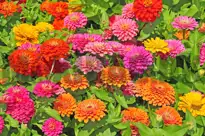
Zinnia is a colourful and lively flower that adds joy and lightness to any garden. With its full flowers in various colours such as red, pink, yellow and orange, it is a beautiful sight that attracts butterflies and bees. Zinnia is ideal for creating colourful beds and edging, and as a cut flower in bouquets.
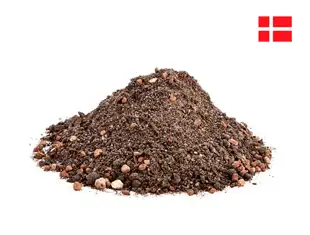
Zinnia thrives best in well-drained soil that is rich in nutrients. It prefers a slightly acidic to neutral pH value. A loose, porous soil structure is important to ensure optimal drainage and prevent root rot.
Zinnia loves the sun and needs at least 6-8 hours of direct sunlight a day to flower fully. Place them in a sunny spot in the garden for the best colour and flowering period.
Some zinnia species:
- Zinnia elegans: The most common species, with a wide range of colours and a height of up to 90 cm.
- Zinnia angustifolia: A compact type with narrow leaves and small, intense flowers.
- Zinnia haageana: Known for its multicoloured flowers and compact growth.
- Zinnia 'Queen Red Lime': A unique variety with red and lime-coloured flowers that adds elegance to the garden.
- Zinnia 'Thumbelina': A dwarf variety with small, dense flowers in various colours, perfect for edging.
These zinnia varieties are popular in Danish gardens and offer a wide range of colours and shapes that enrich any garden design.
This guide is for guidance only. Landscaping and gardening is not an exact science, and a successful result can be affected by many variables, including (but not limited to): soil conditions, location, watering, temperatures, weather, application of fertiliser and mulch, and much more.