 da
 en


- Frontpage >
- Plant Encyclopedia >
- Hazel
Hazel
- Latin name: Corylus
- Type: Shrub
- Light conditions: Full sun, partial shade
- Soil conditions: Ordinary, well-drained
- Other: Attracts birds and squirrels to the garden
Recommended Products

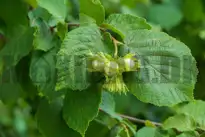
Hazel is a versatile shrub that adds beauty and usefulness to the garden. With its distinctive toothed leaves and hanging yellow catkins in spring, the hazel radiates rustic charm. In garden design, it is often used as an ornamental shrub or hedge, while its nuts attract wildlife.
Hazel prefers well-drained soil, preferably slightly acidic to neutral. It is important to give the plant moist soil, especially in dry periods, to support its growth. A mix of compost and loose garden soil is ideal.
Hazel thrives best in full sun or light shade. It is important to place it somewhere it gets enough sunlight to ensure optimal development and nut production.
Some of the most widespread hazel species seen in Denmark:
- Corylus avellana (common hazel), also called woodland hazel: The most widespread hazel species in Denmark. It produces small edible nuts that are often used in cooking and baking. The leaves are rounded and finely toothed
-
Corylus maxima (Filbert): is known for its large, oval nuts, which are enclosed in a distinctive, full husk with long, toothed edges. The tree is robust and produces a rich harvest of edible nuts used for culinary purposes.
Corylus colurna (Turkish hazel): is an upright, narrow tree species that stands out with its long, narrow leaves and more columnar growth. It also produces edible nuts and is known for its hardiness and elegant shape, which makes it suitable as a decorative feature in gardens and parks.
These varieties offer variety in size, appearance and nut production and suit different gardens.
Hazelnuts, which ripen in autumn, are a popular ingredient in cooking and baking, and they also attract birds and squirrels.
This guide is for guidance only. Landscaping and gardening is not an exact science, and a successful result can be affected by many variables, including (but not limited to): soil conditions, location, watering, temperatures, weather, application of fertiliser and mulch, and much more.