 da
 en


- Frontpage >
- Plant Encyclopedia >
- Houseleek
Houseleek
- Latin name: Sempervivum
- Type: Succulent
- Light conditions: Sun
- Soil conditions: Ordinary, sandy, adaptable
- Other: A good plant for your rock garden
Recommended Products
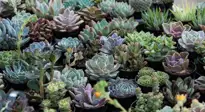
Houseleek is a tough plant that adorns Danish gardens and rock gardens with its distinctive, dense rosettes of succulent leaves. This succulent is known for its resilience and ability to survive in varied growing conditions. To ensure it thrives, it is important to take the ideal soil and light conditions for houseleeks into account.
Houseleek thrives best in well-drained soil with low nutrient value. It is often seen growing in stony or gravelly soil, which provides good drainage and prevents the roots from sitting in standing water. Succulents such as houseleek are adaptable and can grow in different soil types, but well-drained soil is essential to avoid rot and other moisture-related problems.
When it comes to light conditions, houseleek is a sun-loving plant. It thrives best in areas with full sun and needs at least six hours of direct sunlight a day. This makes it ideal for positions in sunny beds, rock gardens or as an edging plant in the garden. Houseleek can also cope with light shade, but its colours and compact growth will be most impressive in sunny conditions.
Houseleek is not only an easy and persistent plant – its charming rosettes and ability to multiply make it a much-loved resident in Danish gardens and rock gardens.
Here is a list of some of the most widespread species of houseleek in Denmark:
- Sempervivum tectorum (Common houseleek): The most common species, with dense rosettes and grey-green leaves.
- Sempervivum arachnoideum (Cobweb houseleek): Characterised by fine, cobweb-like threads over the rosettes.
- Sempervivum montanum (Mountain houseleek): A species with dense rosettes and reddish-purple flowers.
- Sempervivum calcareum: With grey-green leaves, red tips and pale pink flowers.
- Sempervivum globiferum (Rolling hen-and-chicks): Known for its round rosettes and succulent leaves.
- Sempervivum ciliosum: With dense, hairy rosettes and star-shaped yellow flowers.
- Sempervivum heuffelii: A species with colourful rosettes and compact growth.
- Sempervivum marmoreum: With marbled patterns on the leaves and red tips.
- Sempervivum pittonii: Known for its multicoloured rosettes and compact shape.
- Sempervivum ruthenicum: With grey-green leaves and yellowish flowers.
This guide is for guidance only. Landscaping and gardening is not an exact science, and a successful result can be affected by many variables, including (but not limited to): soil conditions, location, watering, temperatures, weather, application of fertiliser and mulch, and much more.