 da
 en


- Frontpage >
- Plant Encyclopedia >
- Rock Garden - Alpine Bed
Rock Garden - Alpine Bed
- Type: Bed
- Light conditions: Sun (light shade)
- Soil conditions: Ordinary, well-drained, sandy
- Other: -
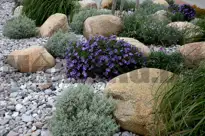
Rock gardens or alpine beds are a beautiful and popular way to design garden spaces that mimic the natural conditions where alpine plants thrive. These beds can add variety and structure to the garden and are well suited to plants that prefer well-drained conditions. To create a successful rock garden, it is important to take the right soil and light conditions into account and to choose suitable stones and plants.
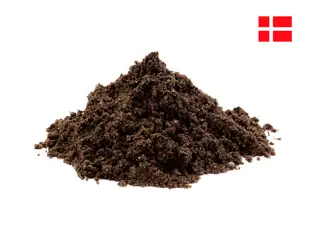
The soil in a rock garden should be well-drained and preferably slightly alkaline. A mix of sand, gravel and a little clay can create an ideal soil structure for alpine plants. Good drainage is essential to mimic the natural conditions where many of these plants are found in the wild, often in mountain areas or rock crevices.
When it comes to light conditions, most alpine plants thrive best in full sun. A spot that gets at least six hours of direct sunlight a day will be ideal. However, there are also alpine plants that can thrive in light or partial shade, so it can be a good idea to choose plants that suit the existing light conditions in your garden.
By combining the right soil and light conditions with suitable stones and plants, a rock garden can create a beautiful and natural look in the garden while providing a habitat for alpine plants.
Here is a list of some of the most common plants that thrive in a Danish rock garden:
- Saxifraga (Saxifrage): A robust plant with dense tufts of colourful flowers that thrives in rock gardens.
- Sempervivum (Houseleek): Small, dense rosettes of succulent leaves in various colours and shapes.
- Aubrieta (purple rock cress – see alsoCyclamen): Carpet-forming plants with beautiful, colourful flowers.
- Dianthus (Pinks): Low-growing, dense plants with fragrant flowers.
- Thymus (Thyme): Low-growing, evergreen herbs with aromatic foliage.
- Armeria maritima (Sea thrift): Low-growing plants with small, round flower heads.
- Delosperma (Ice plant): Succulent plants with colourful flowers that tolerate drought.
- Gentiana (Gentian): Beautiful, deep blue flowers on low-growing plants.
- Achillea (Yarrow): Fine, feathery leaves and flat clusters of small flowers.
- Campanula (Bellflower): Bell-shaped flowers on upright stems.
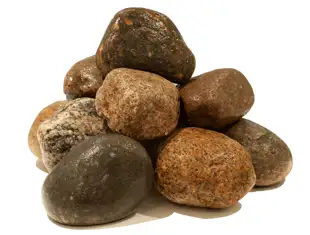
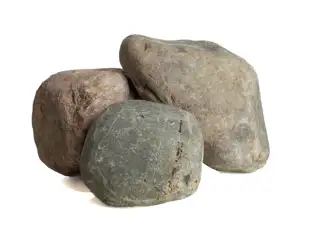
When it comes to the stones in a rock garden, you can use different types of stone to create variety and aesthetics. Some common types of stone include granite, slate, limestone, cobble stones and large stones. The stones can be arranged in natural formations or used as edging to define the bed. It is important to make sure the stones are stable and will not sink into the soil over time.
This guide is for guidance only. Landscaping and gardening is not an exact science, and a successful result can be affected by many variables, including (but not limited to): soil conditions, location, watering, temperatures, weather, application of fertiliser and mulch, and much more.