 da
 en


- Frontpage >
- Plant Encyclopedia >
- Kitchen Garden
Kitchen Garden
- Type: Kitchen garden, vegetable garden
- Light conditions: Full sun (partial shade)
- Soil conditions: Ordinary, well-drained, nutrient-rich
- Other: Some kitchen garden plants, e.g. carrots, thrive best in stone-free sandy soil
Recommended Products
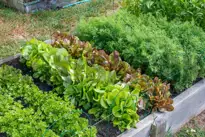
The kitchen garden, also known as the vegetable garden, is a beautiful and practical area where a wide range of plants are grown for cooking and food. To ensure a rich harvest and healthy plants, it is essential to choose the right type of soil and create optimal light conditions.
The ideal soil for the kitchen garden is a well-drained, nutrient-rich soil with a neutral pH value. A mix of good garden soil, compost and well-rotted manure ensures a suitable soil structure and provides the plants with essential nutrients. For certain plants, such as carrots, a deep, stone-free soil is ideal to avoid deformed roots. Composting is also an excellent practice for improving the soil's fertility and structure over time. For example, add our soil conditioner, when you harvest the last crops in your kitchen garden and are waiting for the new growing season.
Most plants in the kitchen garden thrive best in full sun, which usually means at least 6-8 hours of direct sunlight a day. However, certain vegetables and herbs can do well in partial shade, especially in areas with hot summers. The position of the kitchen garden should take the path of the sun into account to maximise the light. Make sure tall plants do not shade lower plants, and be aware of any shade created by buildings or trees.
These common kitchen garden plants are popular choices in Danish gardens and offer a wide selection of fresh ingredients for cooking. By maintaining suitable soil conditions and light levels, you can create a lush and productive kitchen garden:
- Cucumber (Cucumis sativus)
- Basil (Ocimum basilicum)
- Celery (Apium graveolens var. dulce)
- Cauliflower (Brassica oleracea var. botrytis)
- Blueberry (Vaccinium corymbosum)
- Broccoli (Brassica oleracea var. italica)
- Dill (Anethum graveolens)
- Fennel (Foeniculum vulgare)
- Carrot (Daucus carota)
- Garlic (Allium sativum)
- Strawberry (Fragaria x ananassa)
- Potato (Solanum tuberosum)
- Coriander (Coriandrum sativum)
- Onion (Allium cepa)
- Mint (Mentha)
- Oregano (Origanum vulgare)
- Sweet pepper (Capsicum annuum)
- Parsnip (Pastinaca sativa)
- Parsley (Petroselinum crispum)
- Leek (Allium porrum)
- Chives (Allium schoenoprasum)
- Radish (Raphanus sativus)
- Rhubarb (Rheum rhabarbarum)
- Rosemary (Rosmarinus officinalis)
- Lettuce (Lactuca sativa)
- Spinach (Spinacia oleracea)
- Courgette (Cucurbita pepo)
- Thyme (Thymus vulgaris)
- Tomato (Solanum lycopersicum)
Some of the plants above will also thrive in your greenhouse. See our section on greenhouses and our recommendations here.
This guide is for guidance only. Landscaping and gardening is not an exact science, and a successful result can be affected by many variables, including (but not limited to): soil conditions, location, watering, temperatures, weather, application of fertiliser and mulch, and much more.