 da
 en


- Frontpage >
- Plant Encyclopedia >
- Sea Buckthorn
Sea Buckthorn
- Latin name: Hippophaë
- Type: Berry bush
- Light conditions: Full sun, tolerates some shade
- Soil conditions: Ordinary, well-drained, sandy
- Other: Sea buckthorn has separate male and female plants, and it is recommended to have at least one of each to ensure pollination and an abundant harvest of berries
Recommended Products

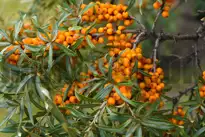
Sea buckthorn is a hardy shrub that brings a beautiful contrast to the garden with its silver-grey leaves and colourful berries. It thrives in the Danish climate and is impressively robust. Sea buckthorn is known for its small orange berries, which are rich in vitamin C and antioxidants.
The soil for sea buckthorn should be well-drained and preferably slightly acidic to neutral. The shrub is tolerant of salt, which makes it well suited to coastal areas. A mix of sand and humus-rich soil is ideal for optimal growth.
Sea buckthorn thrives best in full sun, but can also tolerate light shade. It is important to ensure enough sunlight to promote berry production. Sea buckthorn has separate male and female plants, and it is recommended to have at least one of each to ensure pollination and an abundant harvest of berries.
Some well-known types of sea buckthorn:
- Hippophaë rhamnoides (common sea buckthorn)
- Hippophaë salicifolia (willow-leaved sea buckthorn)
- Hippophaë rhamnoides 'Leikora' (a popular variety with large berries)
These varieties offer variety in appearance and flavour, which makes sea buckthorn a versatile and attractive addition to the garden.
This guide is for guidance only. Landscaping and gardening is not an exact science, and a successful result can be affected by many variables, including (but not limited to): soil conditions, location, watering, temperatures, weather, application of fertiliser and mulch, and much more.